
Chrome or brass in an old house? Start here.
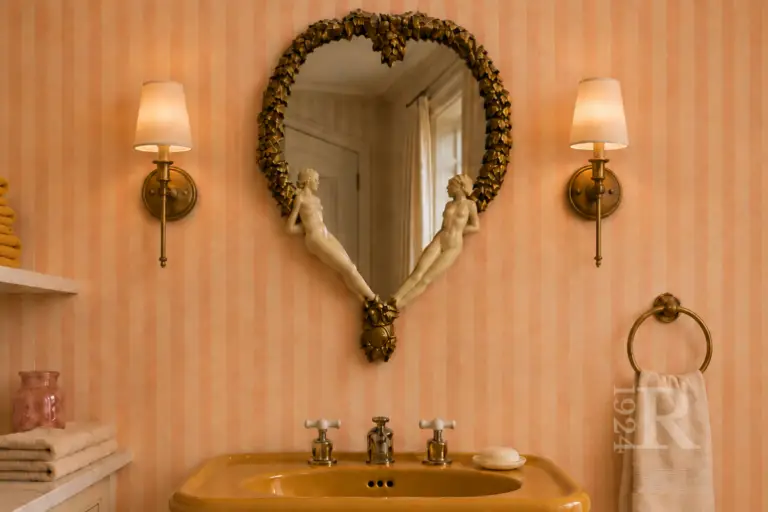
Chrome is cool and crisp — and a perfectly period-correct choice for a 1920s–40s bathroom. It’s also (nearly) maintenance-free. Brass is warm and belongs almost anywhere else: doors, lighting, the hardware your hands reach for all day. In a pre-1940 house you don’t have to make an “either/or” choice. Layering thoughtfully creates a character-filled home that looks collected, not flipped.
Chrome vs Brass: A Side-by-Side Comparison
| Polished Chrome | Unlacquered Brass | |
|---|---|---|
Reads as | Cool, bright, mirror-quality reflective finish | Warm, traditional, living, period-authentic |
Best for | Bathrooms, high-use rooms, Art Deco-leaning spaces | Doors, lighting, living-space hardware |
How it ages | Stays mirror-bright; little tonal change | Patinas unevenly into heirloom character |
Upkeep | Minimal — wipes clean, resists staining | Let it patina, or wax the shine back |
Choose it when | You want low maintenance and crisp clarity | You want warmth, patina, and history |
This post is for you if…
- You want to make the “rightest” decision about the metal hardware finishes in your older home.
- It’s important to you to make brass vs chrome decisions that honor your house’s history.
- You want to figure out how to incorporate brass and chrome beautifully, no matter what’s on trend today.
Just here for some of our favorite old house Chrome and Brass products? → shop the story
Some links may be affiliate links, meaning I may earn a small commission if you choose to purchase — at no additional cost to you. I only share products I genuinely like, would use in my own home, or have researched and feel confident recommending.
Chrome vs Brass Fixtures in an Old House
It all starts with this question: How much contrast do you crave in your home’s design?
If you’re deciding between chrome vs brass bathroom fixtures, the right answer usually depends on just how much patina, contrast, and historical continuity you’re looking for.
Mixing warm and cool metals creates tension.
Tension creates interest.
When you bring chrome and brass into the home, you get visual depth and flexibility.
A single metal finish in a space reads as calmer, and can feel cohesive. But it might also end up feeling “flat”; a one dimensional design you’re not happy with.
At Rosemont, I’m lucky enough to have a ton of original door hinges, knobs, window hardware, and bathroom fittings. They’re the design choices made in 1924 through the 1940s.
Original windows (on the long list for future restoration) have 1920s bronze hardware.
The jack and jill bathroom on the second floor has original Hajoca faucets and fittings – all in well-worn chrome.
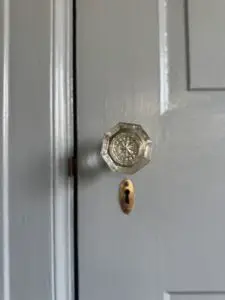
There are glass and brass doorknobs on every original door in the house, and the doors’ hinges and key escutcheons vary between what looks like copper, bronze, and chrome. It’s those layers I love.
Chrome vs Brass: Bathroom Materials That Age Well (But Differently)
Unlacquered brass is popular in historic homes because it doesn’t freeze the house in time — it continues the aging gracefully process.
Patina isn’t damage.
It’s the finish doing exactly what it is supposed to do. Documenting the story of use over time. If you’re not the biggest fan of too much “story”, you can always use a wax polish to gently bring some shine back.
If you love perfection → chrome’s finish is undeniably tough.
If you crave patina (like I do) → unlacquered brass (or copper, bronze, or nickel) are your go-tos.
When combined, chrome might play a supporting role while brass becomes your hero material.
Chrome vs Brass is just one design decision
These are design clues that guide us. One of the best things about living in a century (or centuries) home is the layers of materials that have happened over time.
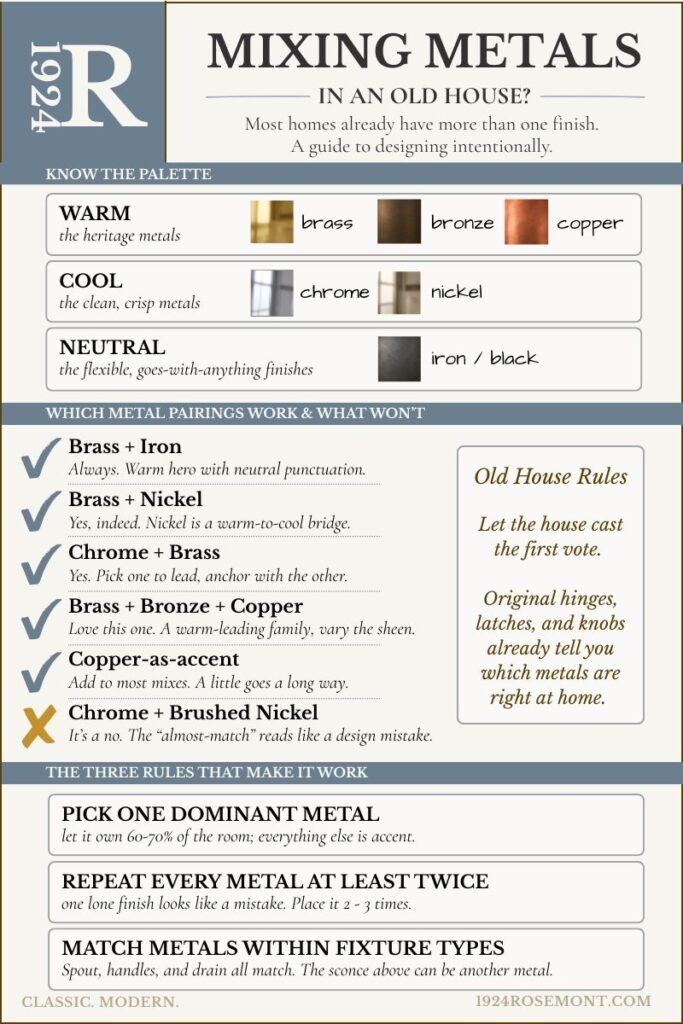
How To: Mixing Metals in an Old House →
Many times, the house is already telling us there should be much more than “just” two finishes.
Lean into mixing your metals when:
- your vibe is collected, not perfectly matched
- the house already has mixed metal finishes
- you want layered depth
- you want flexibility on budget
Mixing metals well has its own rules — which finish dominates, how many times each one has to repeat, and what bridges warm to cool. That’s a whole post of its own → How To: Mixing Metals in an Old House.
Related: Cabinet Hardware Refresh: How to Beautifully Update Without Replacing
Shop the Chrome & Brass Edit
Some links may be affiliate links, meaning I may earn a small commission if you choose to purchase — at no additional cost to you. I only share products I like, would use in my own home, or have researched and feel confident recommending.
Bathroom
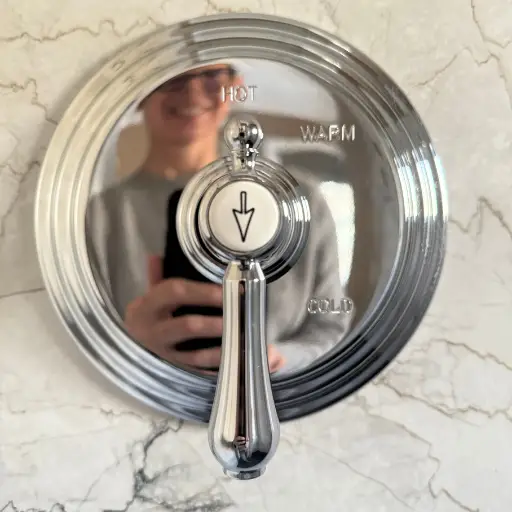
Newport Brass Chesterfield — Polished Chrome
The one I fell in love with. Hotel-good quality and period-correct. Substantial and solid to the touch. The porcelain arrow is the detail that got me. This fixture and matching diverters anchor the master shower.
Polished chrome · bath fixture · Amazon
Check Price on Amazon →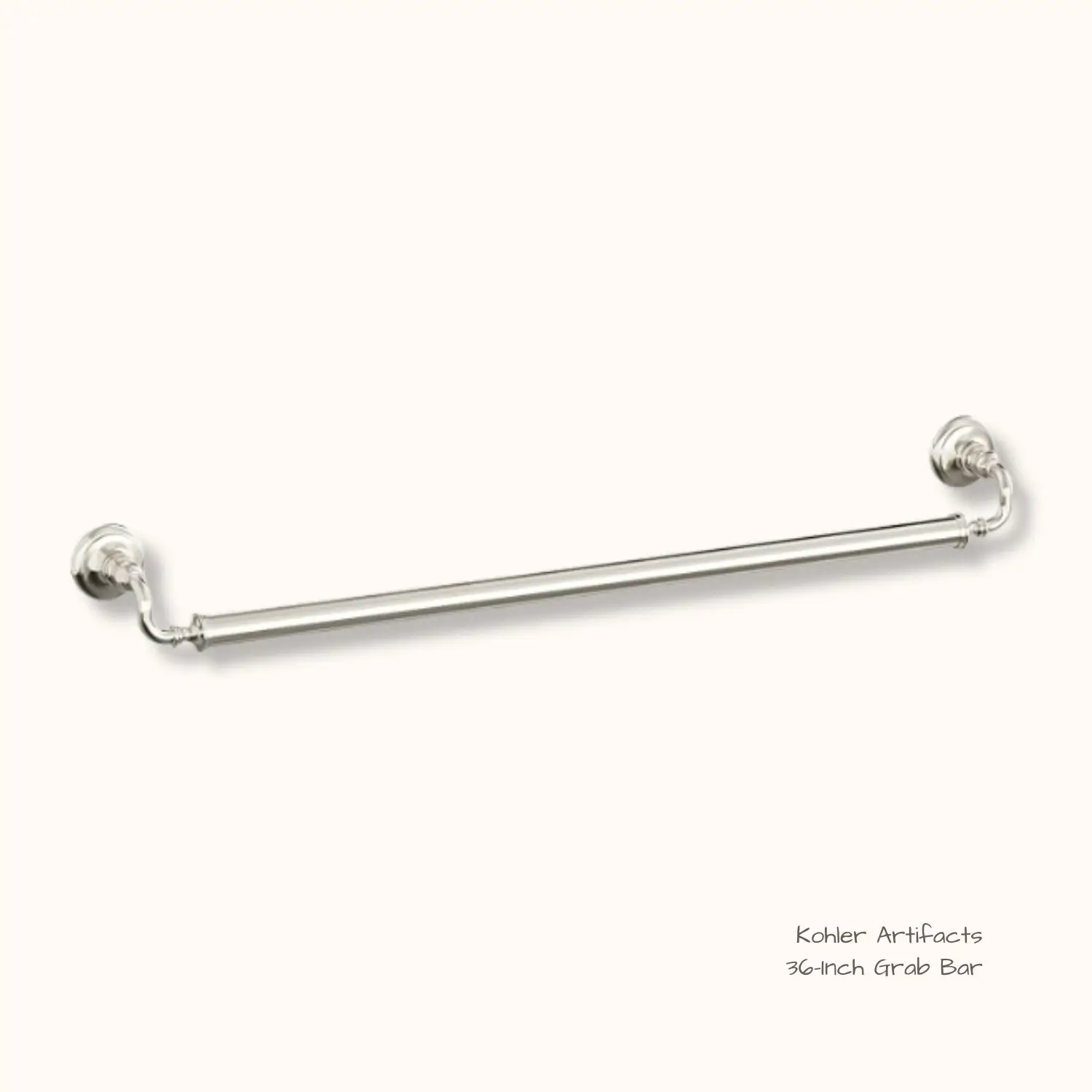
Kohler Artifacts Grab Bar
Beautiful, and it does real work. Comes in polished chrome and brushed brass (among other finishes), so it can deliver the finish choice right for your bathroom — same piece, pick your metal.
Multiple finishes · grab bar
Check Price →Kitchen
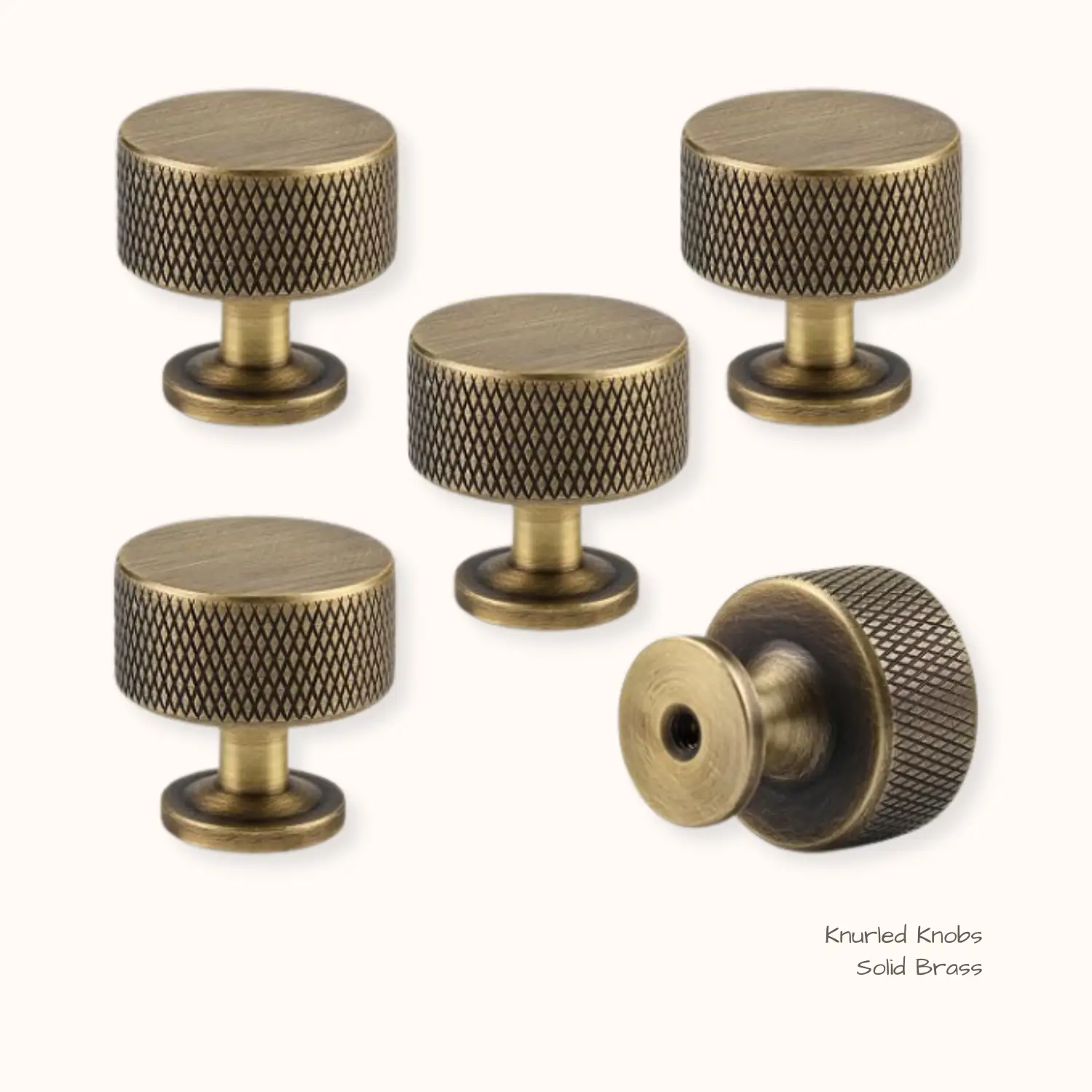
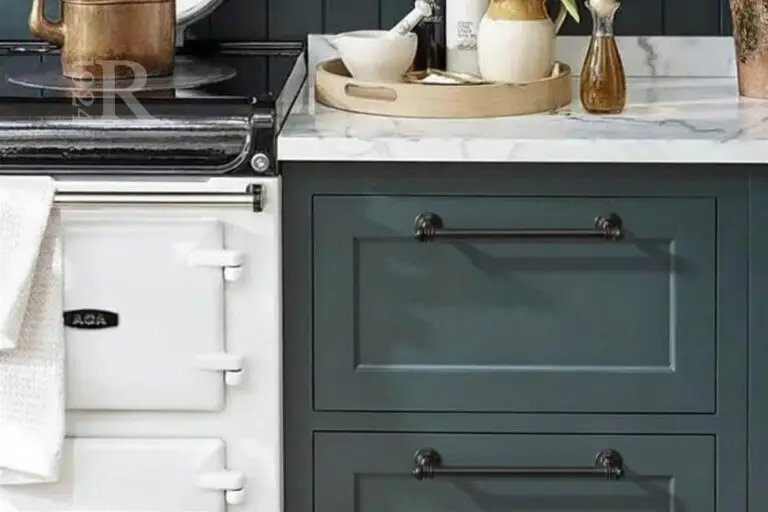
Knurled Antique Brass Cabinet Knobs (5-pack)
Warm brass look for cabinetry. Knurled, solid, and priced to do a whole kitchen without flinching.
Antique brass · knobs · Amazon
Check Price on Amazon →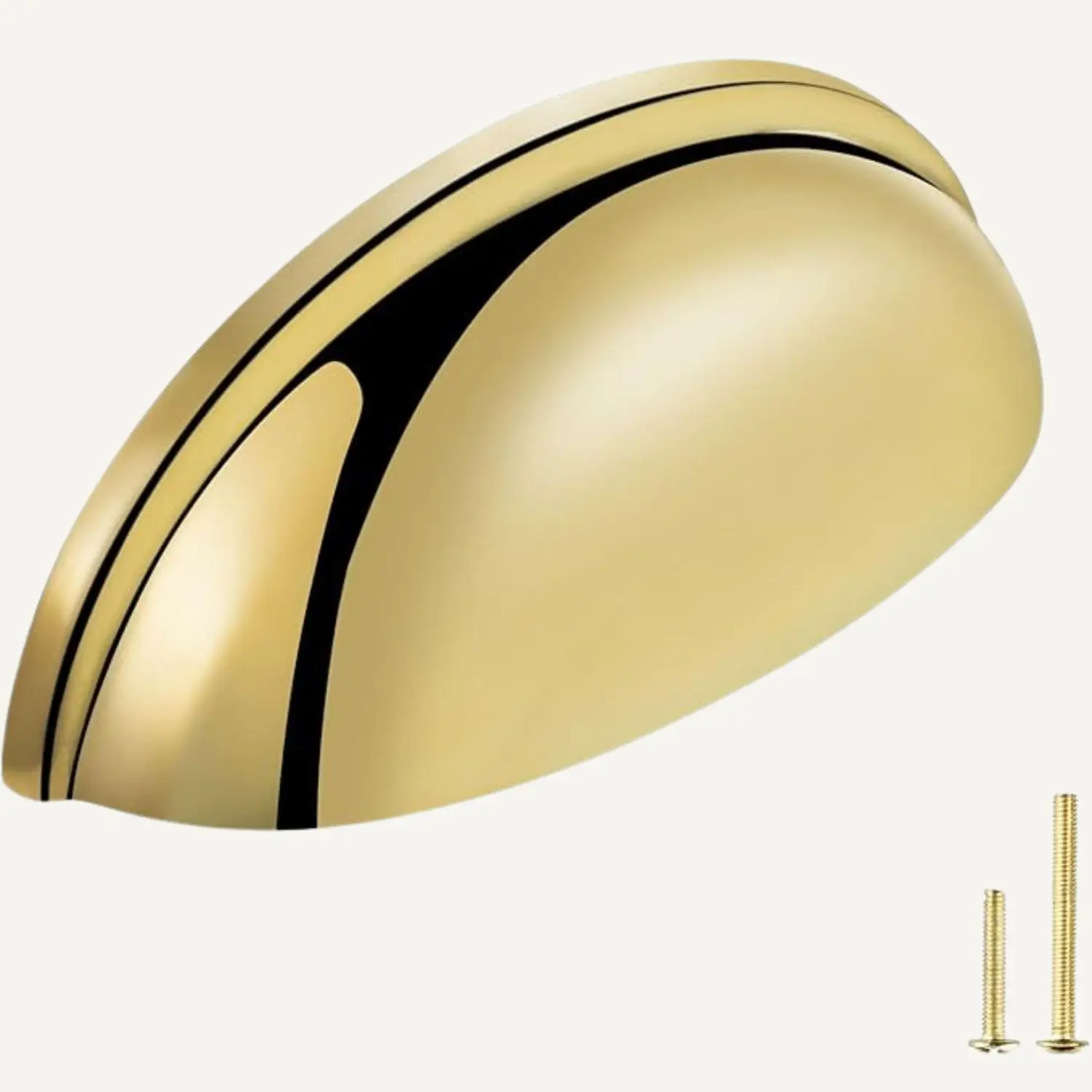
Unlacquered Brass Cup Pulls (5-pack)
The living-brass counterpart. Cup pulls that patina with use. Pair with knobs and pulls for a collected over time, unfussy classic look.
Unlacquered brass · cup pulls · Amazon
Check Price on Amazon →Doors & Utility
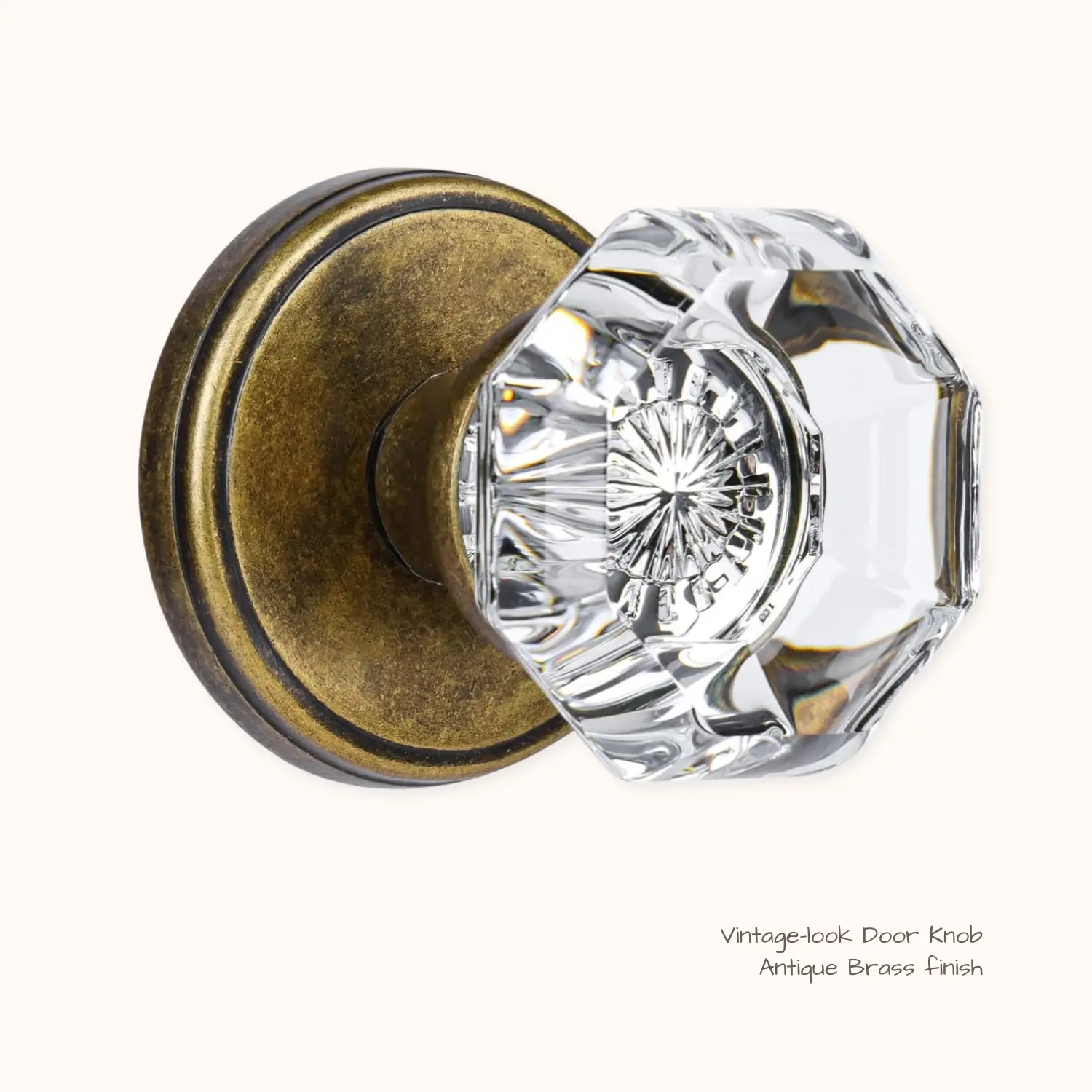
Vintage-Look Glass & Antique Brass Door Knobs
The historic look, on demand. For when Facebook Marketplace comes up empty and you still want glass-and-brass character. I’m fortunate to have original knobs throughout my house, but these have great reviews for when you need the look right now.
Glass + antique brass · interior · Amazon
Check Price on Amazon →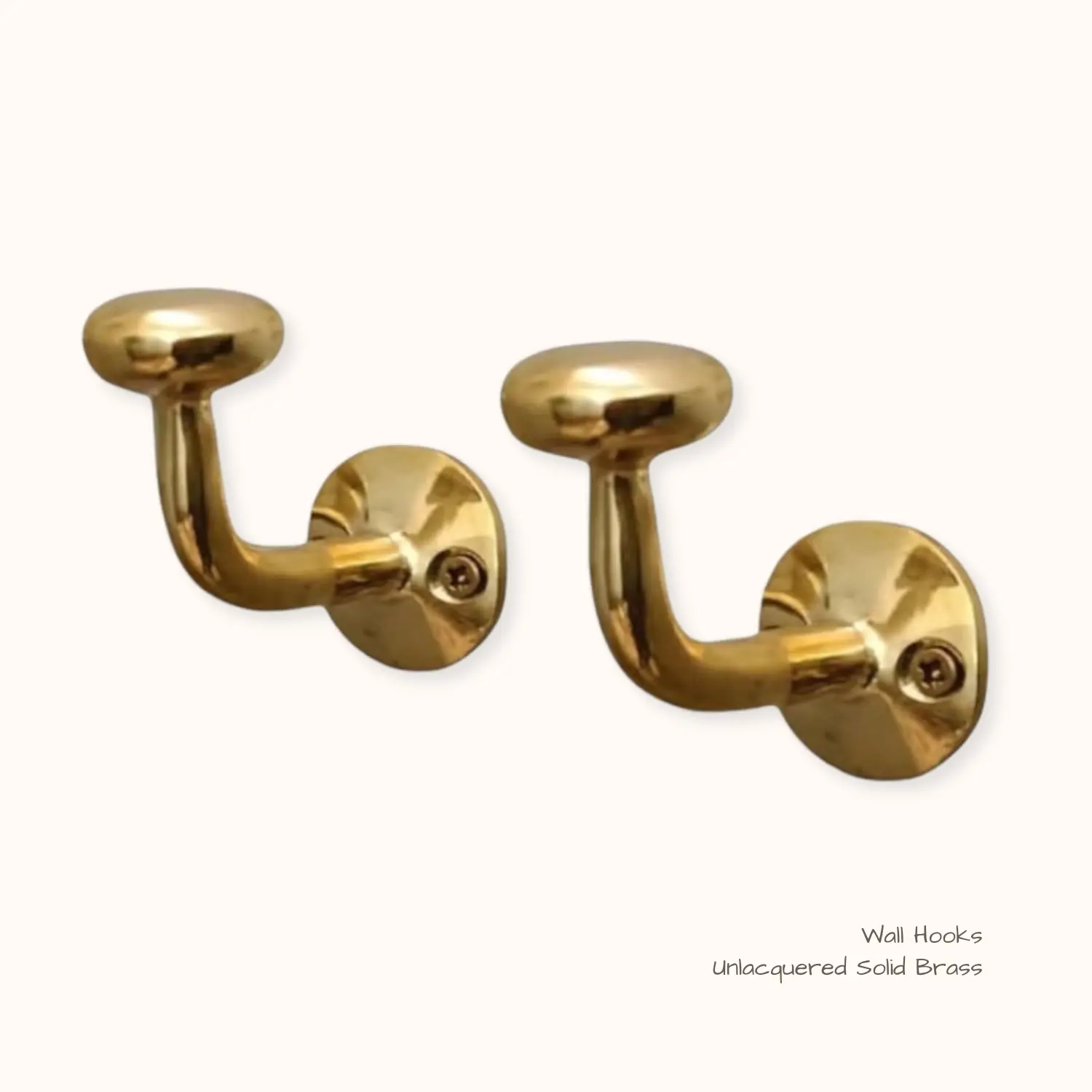
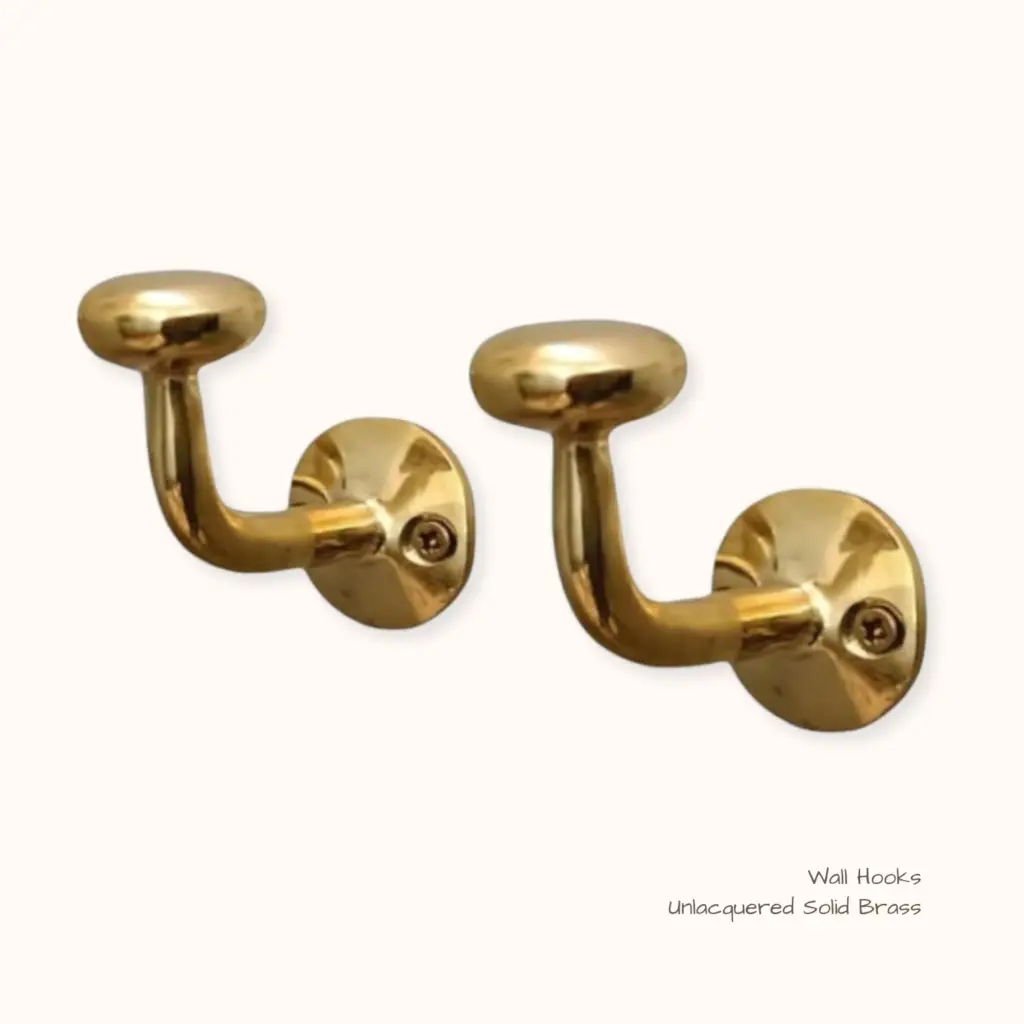
Solid Unlacquered Brass Wall Hooks (set of 2)
Chonky and handmade. Heavy, solid, and they patina gorgeously. A pop of warmth where you need utility. Adds little bit of sunshine in a “mostly chrome” bathroom.
Unlacquered brass · set of 2 · Amazon
Check Price on Amazon →Decor
Fixtures are a committment. Decor you can change your mind about without breaking the bank. It’s one of the cheapest ways to figure out which finish you actually want to live with most.
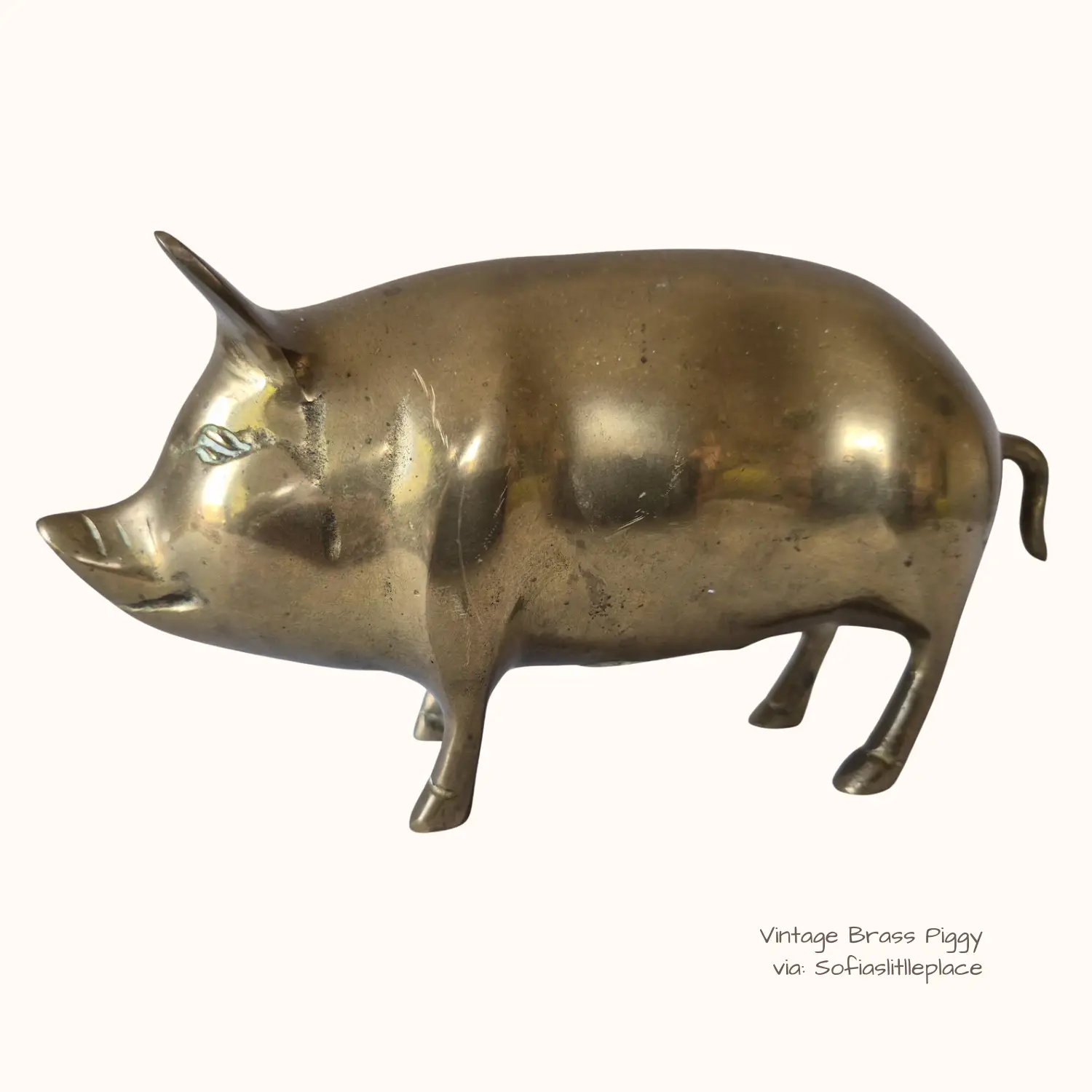
Vintage Brass
This is how you audition brass. A faucet is a plumber and three hundred dollars. A vintage brass object costs less, and inside a week you will know whether you want warm metal in that room or cool. Or a mix. I’m a big believer in buying vintage and unlacquered.
Look for: solid brass, unlacquered, honest wear. Hollow generally means plated.
Photo: Sofiaslitlleplace on Etsy
Browse on Etsy →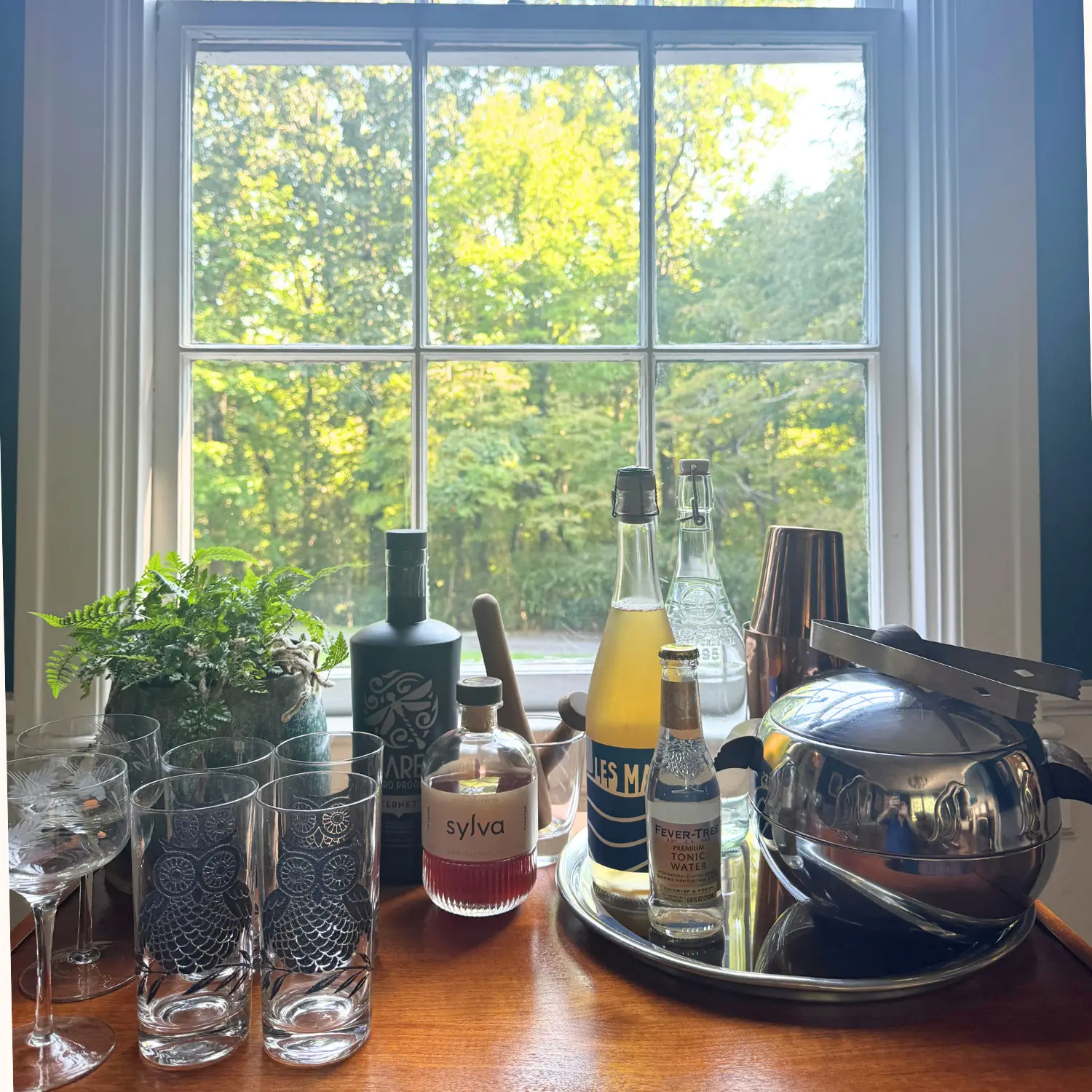
Vintage Chrome
Don’t relegate chrome to the bathroom. Deco-era barware is where chrome really shines — ice buckets, shakers, trays, most of it made between the wars and all of it at home in a house from 1924. At Rosemont, we’ve got tons of chrome popped through the house. But our West Bend penguin ice bucket, patented in 1941, brings both function and quirkiness to earn its place.
Look for: heavy plating, no pitting, original handles and knobs.
Browse on Etsy →Caring for Chrome & Brass
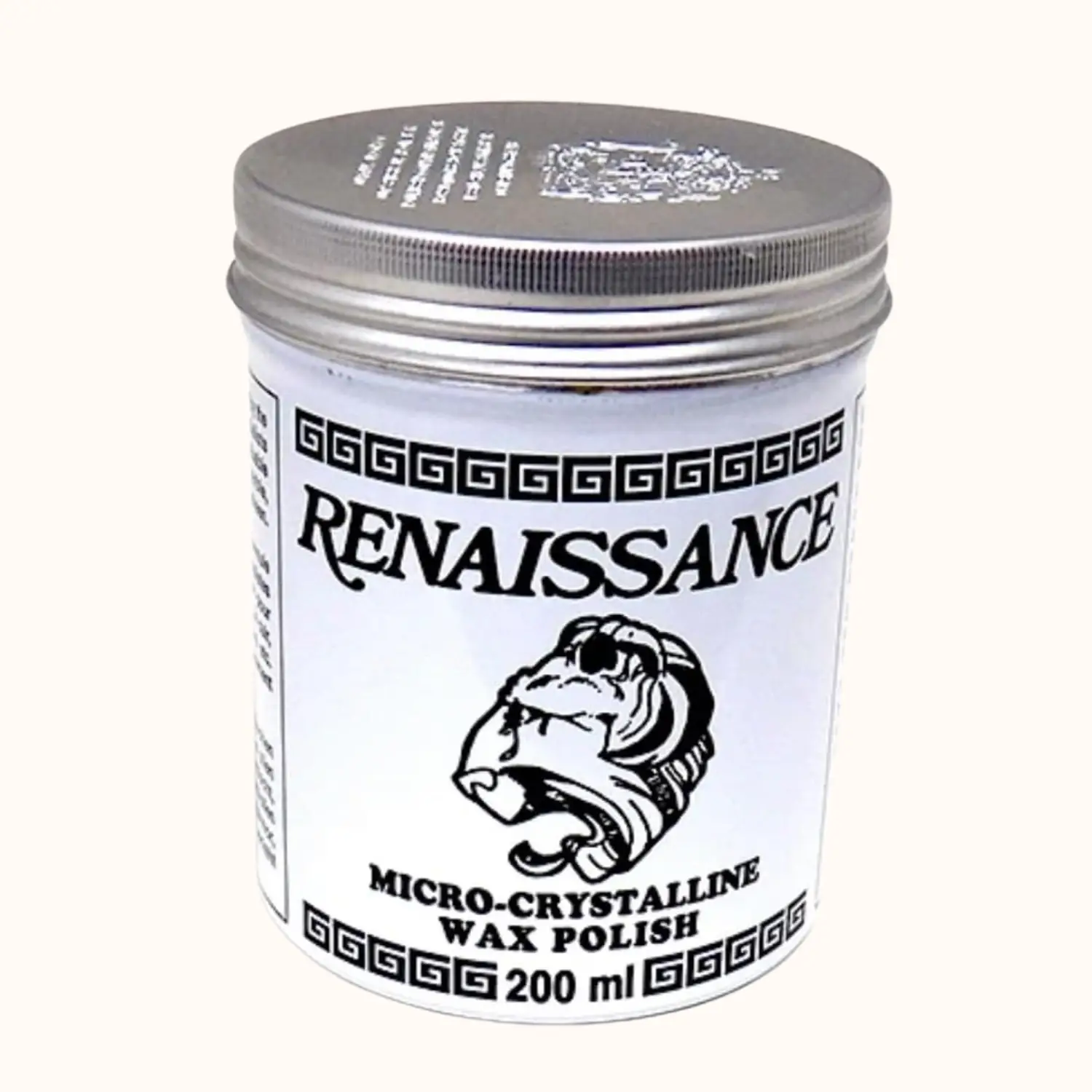
Chrome wipes clean and resists staining; unlacquered brass patinas — let it, or bring the shine back with a gentle wax. Renaissance Wax resets it without stripping the finish. For the full metal-by-metal maintenance roundup, see Old House Metal Care.
Check Price on Amazon →Chrome vs Brass: Common Questions
Neither is better; they tell different stories. Chrome is cool, crisp, and nearly maintenance-free, which suits a busy or already-detailed room. Brass is warm and period-authentic, and unlacquered brass patinas into genuine heirloom character. Choose your metal by how much warmth and patina you want in the room.
Yes — it’s often the best of both. A solid brass body gives you weight and longevity; the chrome plating gives you the cool, maintenance-free surface. It’s what most quality “chrome” bath fixtures actually are, and it’s a better buy than chrome-plated zinc or plastic, which feel hollow and wear at the edges. If a listing says chrome-plated solid brass, read that as a quality signal, not a downgrade.
I mean you could call it tarnish, but tarnish is generally viewed as an unwanted dull film, and patina as a desirable sign of age and character. Brass with years of use patinas, darkening and mellowing unevenly over time, which is the point. If you want to slow patination down or bring shine back, a gentle wax such as Renaissance Wax resets it without stripping the finish. Lacquered brass will stay bright and never develops the same character.
Not by a long shot. Brass moves in and out of trend cycles, but in a period home it reads as original rather than trendy, which is exactly why it outlasts the trend. Unlacquered, living brass especially looks more at home the older it gets. Also, your old house isn’t a style choice. It’s what works for YOU. You do what’s right for the house and your life in it. Always.
Yes — and in a pre-1940 house you almost have to if you’re keeping what’s already there, because the hardware was updated across decades and rarely matches. There’s a method to doing it on purpose: How To: Mixing Metals in an Old House.
Iron, matte black, polished nickel, bronze, and copper all sit beside it comfortably. The one to avoid is a near-identical gold tone, which reads as a failed match rather than a choice. The full mixed metals Old House rules live in How To: Mixing Metals in an Old House.