
This Post Is For You If…
- You have a blank wall in an old house and you’re tired of staring at it.
- You like art but feel like you don’t “know enough” to buy it.
- You want pieces with a story, at a price that doesn’t make you flinch.
Some links may be affiliate links, meaning I may earn a small commission if you choose to purchase, at no additional cost to you. I only share products I genuinely like, would use in my own home, or have researched and feel confident recommending.
The Rosemont Art Sourcing Shortlist. Where to buy art at every price point: what each source is best for, and what you can expect to spend. Jump to any section ↓
| Where | Source | Best for |
|---|---|---|
| Facebook Marketplace ↓ Find art on Marketplace → Spend: $ | Estate clear-outs and surprise finds | |
| Etsy ↓ Find art on Etsy → Spend: $ to $$ | Working artists and prints | |
| eBay ↓ Find art on eBay → Spend: $ to $$$ | Hunting a specific artist, medium, or decade | |
| EBTH ↓ Find art on EBTH → Spend: $ to $$ | Online estate sales, bids from $1 | |
| LiveAuctioneers ↓ Find art on LiveAuctioneers → Spend: $ to $$$$ | Hundreds of auction houses in one search | |
| Chairish ↓ Find art on Chairish → Spend: $$ to $$$ | Vetted vintage, and you can make an offer | |
| 1stDibs ↓ Find art on 1stDibs → Spend: $$$ to $$$$ | Top dealers, and a free education in what the market values | |
| Artsy ↓ Find art on Artsy → Spend: $$ to $$$$ | Modern and contemporary art, plus price research | |
| Thrift, vintage & antique stores ↓ Find shops near you → Spend: $ | Digging for art priced as an afterthought | |
| Estate sales ↓ Find art on EstateSales.net → Spend: $ | Whole-house finds and last-day deals | |
| Antique fairs ↓ See the show calendar → Spend: $ to $$$ | Lots of dealers, unexpected finds | |
| Makers markets & craft fairs ↓ Find craft events → Spend: $$ to $$$ | Buying straight from the maker | |
| Art schools ↓ Find art schools near you → Spend: $ to $$ | Original work at student prices | |
| Galleries near you ↓ Find galleries near you → Spend: $ to $$$$ | Openings, art walks, and entry-level pieces | |
| The people you love ↓ Spend: Priceless | The most meaningful art in the house |
Buying Art for Your Old Home
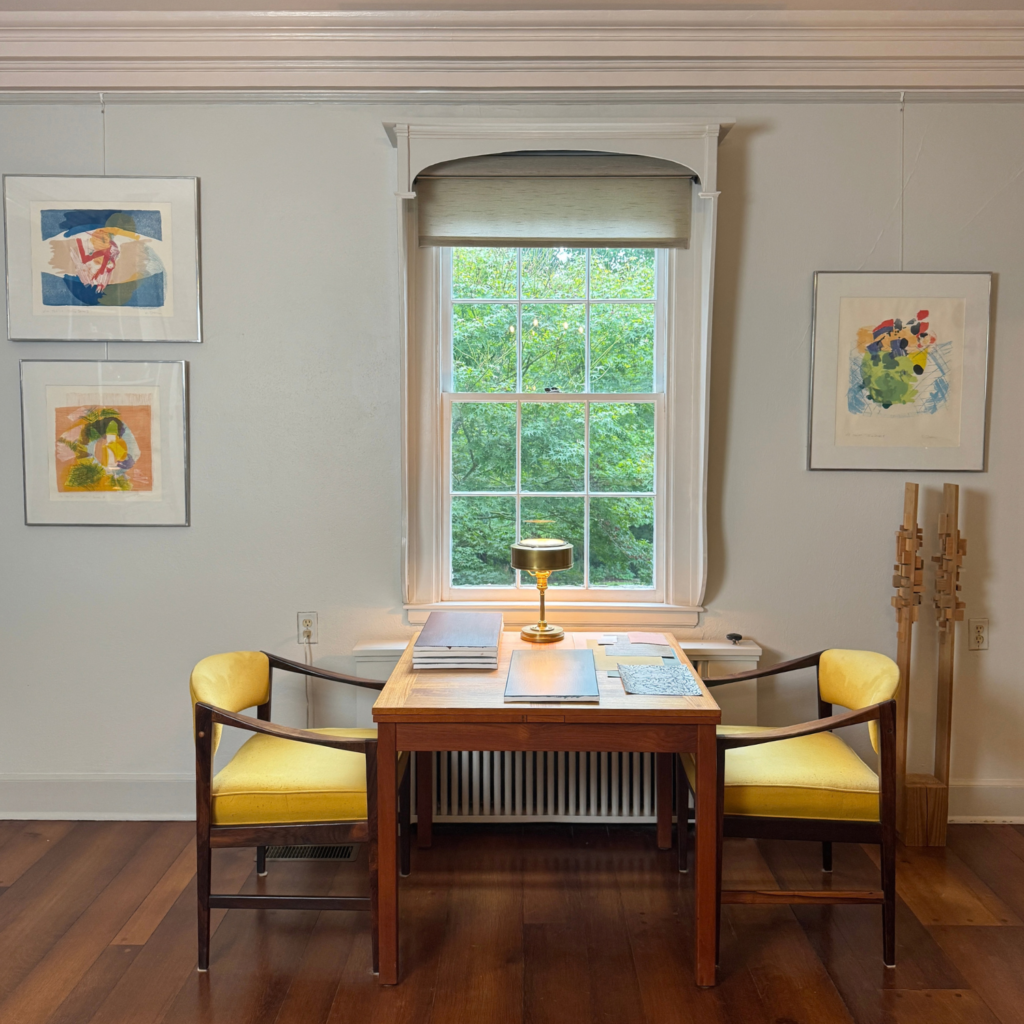
My first “real” art purchase, won at auction
Sure, you can pick up a cheap print that looks nice at Target, but there are so many other options from ‘almost free’ to the ‘sky’s the limit’.
I’ll never forget the feeling of winning my first “real” art at auction. It was a set of three 1969 lithographs, the Skin Series, by H. Storn, an unlisted artist.
When I won the lot of three prints for under $100 (!), I was absolutely hooked. The frames alone were worth more (I reveled in my design-forward frugality)!
Aaaand then I figured out the real total cost would include shipping and the Buyer’s Premium (a percentage of the sale price which varies by auction house and amount). Still worth it, yes, but more than double my auction bid.
Years later, though, these three lithographs have made so many rooms in my homes better.
Real art makes you feel something.
Art is personal. And it doesn’t need to “make sense”, come from only a listed artist, or be expensive to have value.
So you CAN put the Target print on the wall of your old house. But I promise you, you can find better. And it might even cost you less.
It all starts with figuring out which art styles and mediums make your heart beat a little faster.
Full disclosure, I’m not an art historian. I’m not a gallerist. I don’t have an arts education. I just live with, appreciate, and buy art I like. This post shares how I’ve come to feel confident in my taste and my methods for finding, buying, and getting my art to me along the way.
Step One: Keep Your Head on a Swivel
If you’re not already buying art, make every day a learning opportunity.
How to: Get to Know Your Taste in Art
At home: Have a room that feels particularly delicious? Or even a favorite corner of the house? A place in your yard or garden that’s your haven?
Take 10 minutes to really consider what about that spot in particular is wonderful. It may be the way the light ripples through the window. Or how the moonlight shines on the floor. Or how the colors all come together in a riot. Or how tonal qualities make a spot perfect for sitting. It’s personal.
But because good art makes us feel, starting with what already makes you feel great at home is a great way to consider what art might work for you.
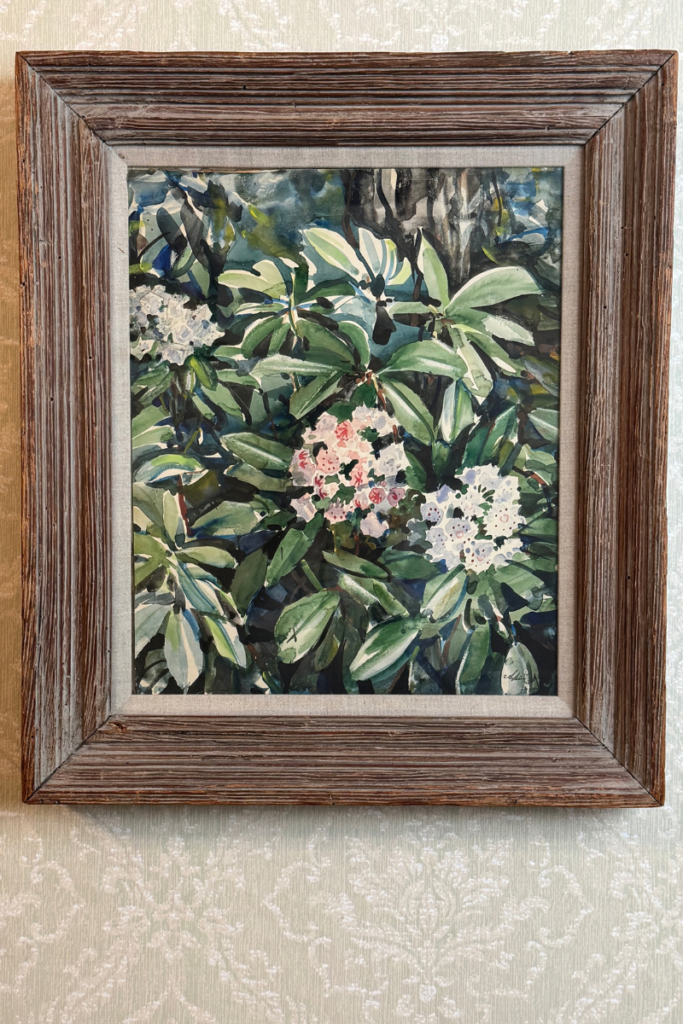
Our woods have mountain laurel running through them. This watercolor by Andrey Avinoff hangs in our entry, and it feels like home. Avinoff directed Pittsburgh’s Carnegie Museum of Natural History, and I found him – and this piece – at auction.
In the world outside your home: Museums, art galleries, antique stores are all there to inspire you and help educate you on your taste. You don’t need to feel obligated to buy, it’s more about experiencing the artists, the styles, the mediums. And there is something very different about seeing art in real life than online. Don’t have much going on on any given weekend? Take an art break.
I’m also a huge fan of keeping your eyes open when you’re at work, in hotels, in restaurants, and in commercial spaces.
Your job? Notice what art excites you, and begin to consider ways to translate it in your home.
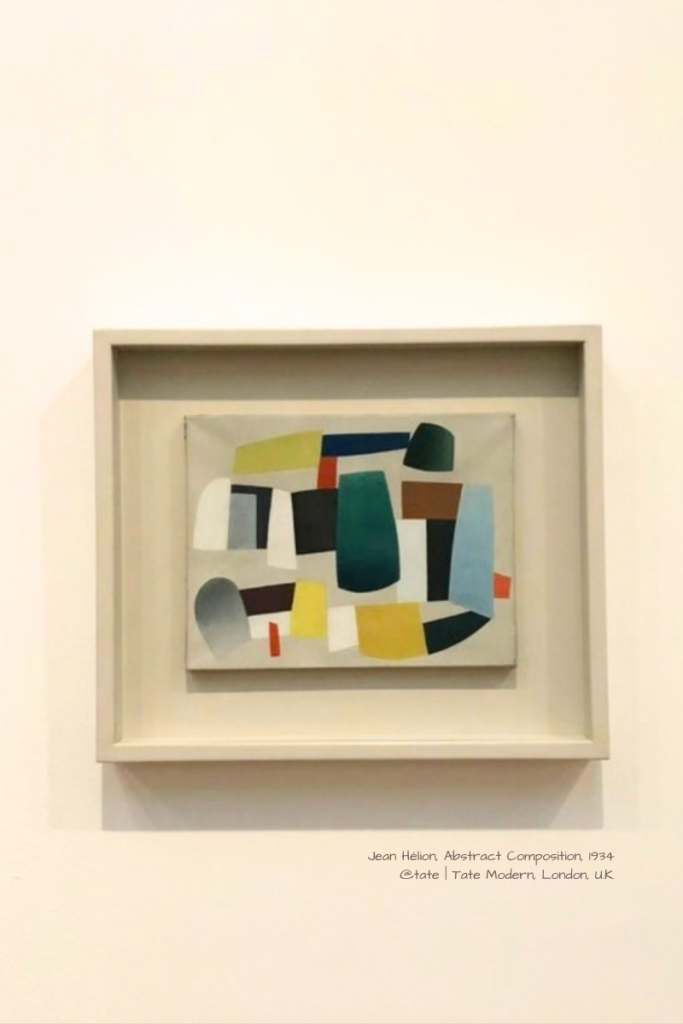
Shot on my iPhone a million years ago. @Tate
What “does it for me”, art-wise? Big-ish color-rich art. Abstracts, mostly. It’s prints and botanicals, too.
And also glass, ceramics, and mosaics. I don’t know why I’m drawn to the art I’m drawn to, exactly.
But over time, I noticed.
The pieces that caught my eye in museums, galleries, homes, and spaces. What about them I loved. When I started searching for art for my own house, it was for the pieces that might create the same reaction at home.
Like this terrible picture I took of an incredible Jean Hélion abstract at the Tate Modern in London.
I remember the moment I saw this painting. It stopped me in my tracks. I fell in love.
And it evolved my understanding of what I love. I homed in on my “what makes my art heart beat a little faster”. The colors, the composition. The … weirdness.
All of it somehow also optimistic.
I fit that visit to the Tate in during a work trip.
It cost me almost nothing, and inspired and educated me deeply.
When You Find an Artist You Love, Buy Them Again If You Have the Chance
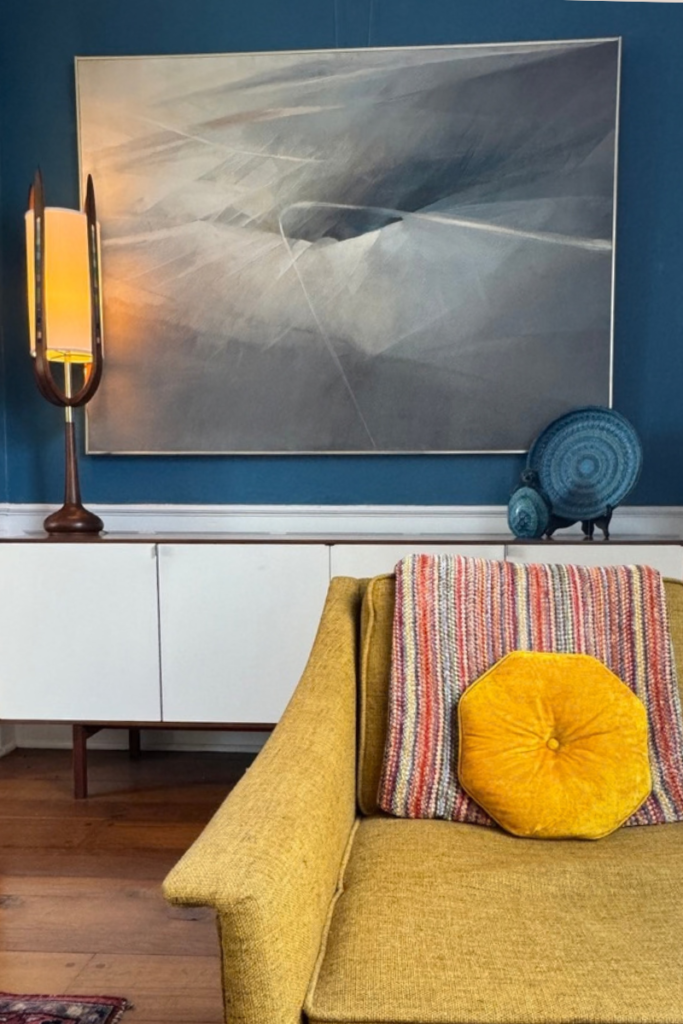
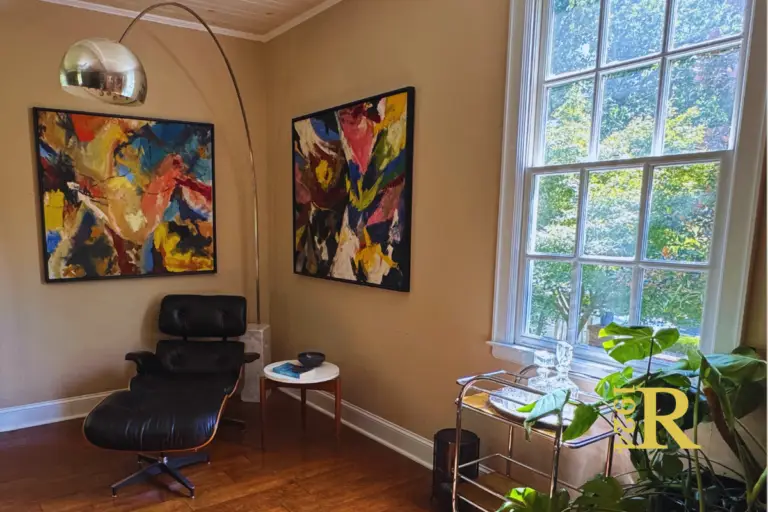
Somewhere along the way as I filled my walls, I fell in love with an artist. The result? Rosemont has five paintings by Rochelle Blumenfeld (1936 – 2025), a Pittsburgh abstract painter, across four rooms: Sea Cycle (1981) and a 1960s untitled abstraction in the living room, an untitled 1970s abstraction in the dining room, Thaw (1983) on the upstairs landing, and Passage II (1980) in the master bedroom.
The first Blumenfeld painting I won is a massive untitled work in the dining room. When I saw firsthand how incredible her work is, I set up an alert so I’d be the first to know when her work comes on the market. And when it did, if it was a painting that got me going, I set my budget and tried very hard to win.
Not all of her work makes me light up. But the ones that do…they really do.
An Important Step One-A: Blend Your Art Tastes
If you’ve got a significant other, checking in with them on what they like (what makes them feel at home) is important.
If their tastes line up with yours, fantastic! If different art styles or mediums get you going, that’s great, too.
Your next step is assembling art over time that honors both of you and creates a home that reflects the people who live there.
Step Two: Know Where to Buy Art (Online and IRL)
Where to Buy Antique & Vintage Art Online
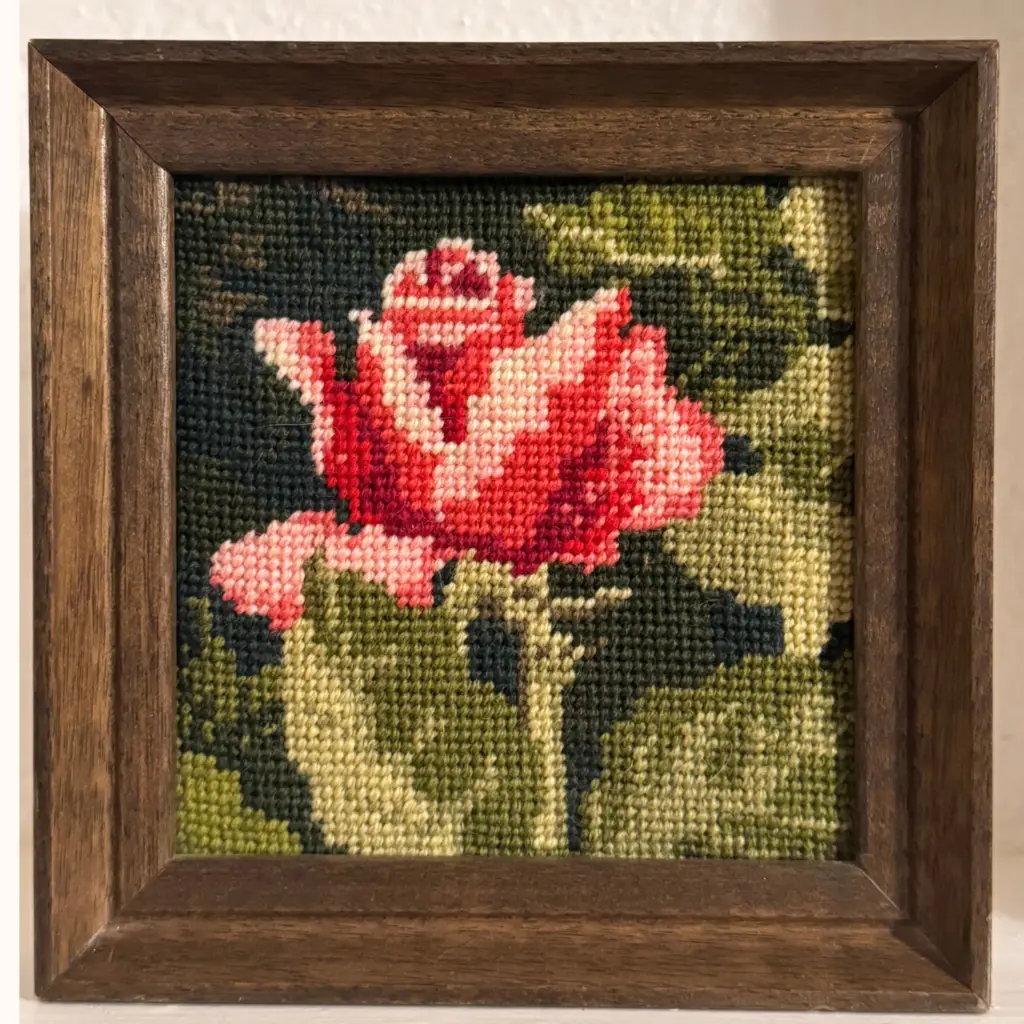
Vintage rose needlepoint, mailed to me for under $20
Facebook Marketplace
This is where you can really score. People clearing out a parent’s house don’t always know the story behind what they have, but they know they want it gone this weekend. Find art on Marketplace →
Search loose terms like “painting,” “framed print,” “signed,” “sculpture”, “original art”, and “lithograph.” Searching for rose needlepoints for the guest cottage, I found so many for great prices on Marketplace.
Etsy
Prints and working artists, mostly, with some vintage and mass-market, too. There’s an influx of digital and AI-created art, so be sure to ask if you’re not clear on how the art was created. Find art on Etsy →
eBay
Best when you know what you’re hunting: an artist’s name, a medium, a decade. Save your searches and let alerts come to you. Read condition notes twice, and seller feedback carefully. Ask for photos and dimensions, and communicate with the seller about their shipping methods so there are no surprises. Find art on eBay →
EBTH (Everything But The House)
Online estate sales where bids start at $1. It’s whole-house contents, so art sits next to the flatware and a lot of it gets overlooked. EBTH app filters work well, and you can set search alerts, too. Pickup versus shipping changes the total price math, so consider your shipping costs before you bid. Find art on EBTH →
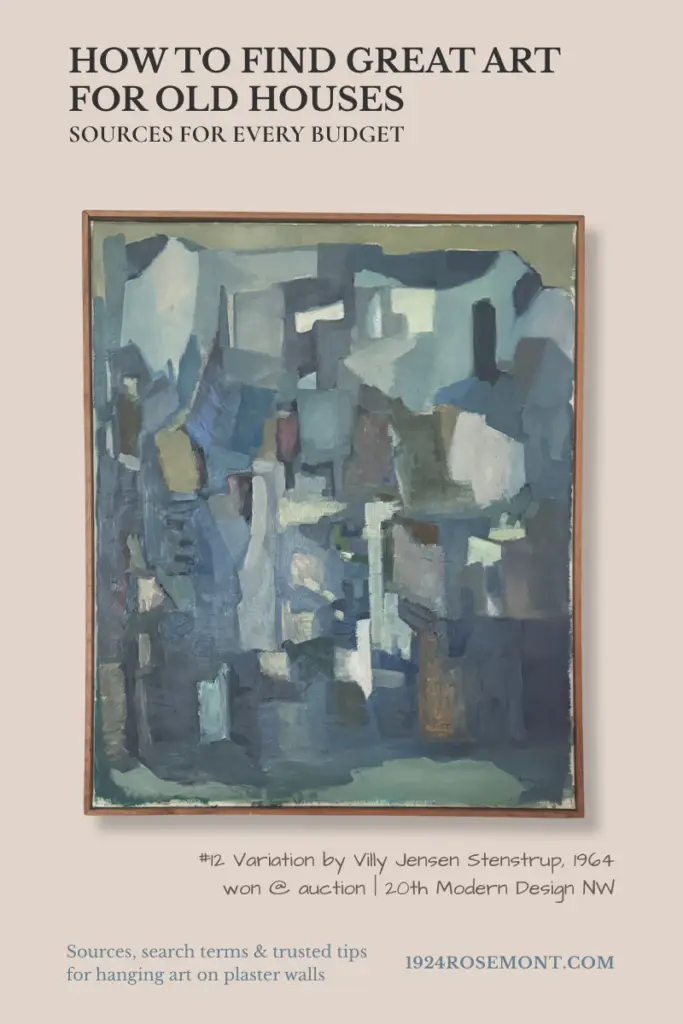
LiveAuctioneers
My go-to for Art and all things patina. Hundreds of auction houses in one search, so you can hunt a single artist or style across all of them. So much of my art was sourced this way, from auction houses in Pittsburgh, Connecticut, Oregon, New York, Florida, Pennsylvania, and beyond. New to bidding? Start with how to buy at online auctions, including what the fees really add to the price. Find art on LiveAuctioneers →
Chairish
Where to shop when you want the vetting done for you. Curated inventory, good photos, and prices that are negotiable more often than you’d think. Use “Make an Offer” to get the conversation going. Find art on Chairish →
1stDibs
The sky’s-the-limit end of the scale (although there are deals to be found). It’s a marketplace of vetted dealers and galleries, so the quality and provenance are there, and the prices reflect it. Even if you’re not buying here, browsing gives you the best free education in what the market values: which artists, which eras, which mediums. Pro-tip: find an artist you love on 1stDibs, then set an alert for them on LiveAuctioneers. Many listings take offers, too, so don’t assume the asking price is the final price. Find art on 1stDibs →
Artsy
The place for modern and contemporary art from galleries and auctions worldwide. It’s a great source for learning what an artist’s work actually sells for: the price database shows real results, and you can follow artists to get alerts when new work comes up. For antique, vintage, or lesser-known artists, you’ll have better luck on LiveAuctioneers and eBay. Find art on Artsy →
Where to Find (Great) Original Art Locally
Local thrift, vintage and antique stores
Look up, look behind, look in the bins. The best pieces might be leaning against a wall with an armoire (or other art) in front of them. Dealers know their furniture cold. Art is sometimes an afterthought, and might be priced like one. I’ve gotten some incredible scores in local shops, but you’ve got to be willing to dig. Find shops near you →
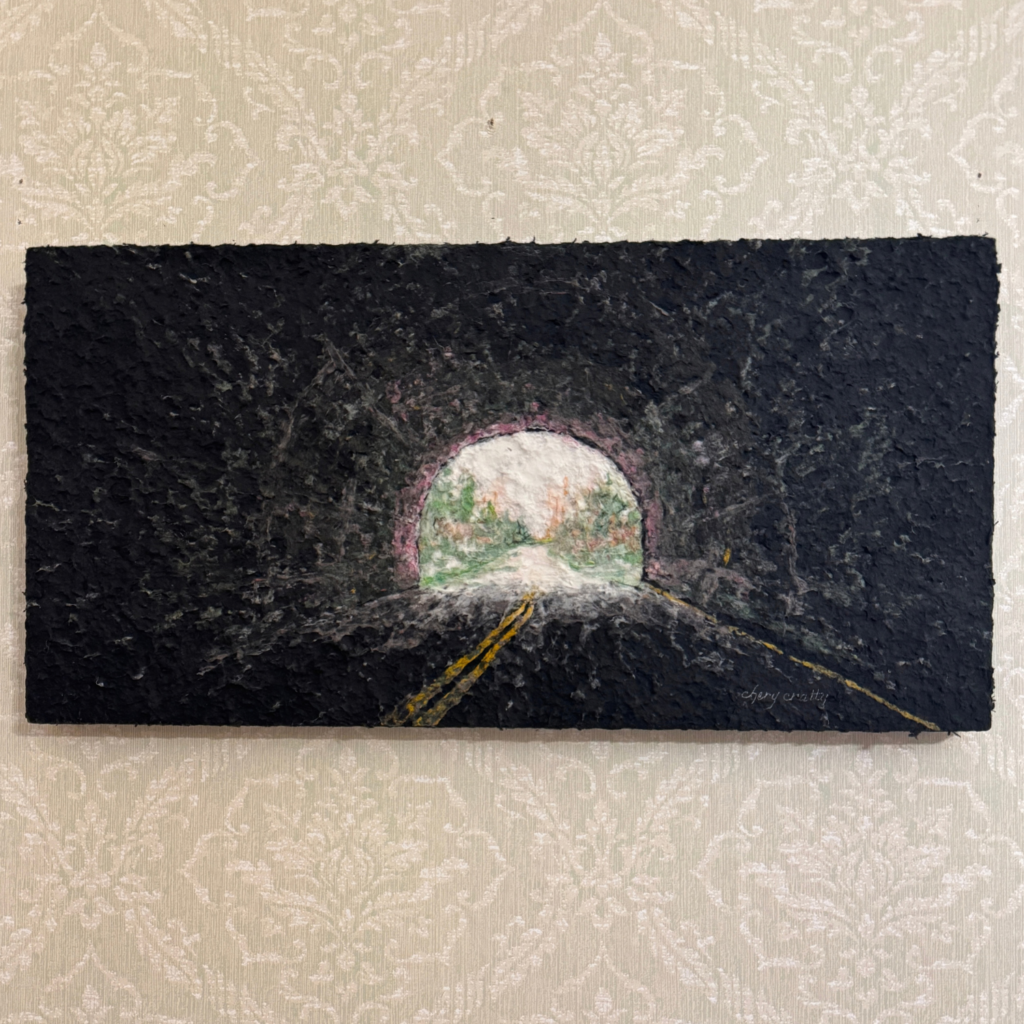
Makers markets and craft fairs
Guild fairs are juried, so the quality and creativity is high, and you’re buying directly from the artist who made the art. I’ve found gifts, craft, glass, ceramics, and mosaics I love. Added bonus: buying feels incredible because you’re supporting artisans creating locally-relevant craft. Find craft events →
Estate sales
The best-kept secret in art buying. A family is clearing a lifetime of living, and the art on the walls is priced to go with everything else. Find sales near you on EstateSales.net and study the listing photos before you go. Look at the walls in the background, not just what’s featured in the pictures.
- Go early on day one for the best selection. The good pieces leave in the first hour.
- Go back on the last day for deals. Many sales drop prices by half on the final day.
- Look everywhere. Closets, basements, behind doors. Art that’s been taken down and stored often goes unnoticed.
- Bring cash, your measurements, and a blanket so the ride home doesn’t damage anything.
Antique fairs
More dealers, more competition, better odds of finding something unexpected but wonderful. Go early for selection and late for deals. You’ve heard of Round Top and Brimfield, but there’s SO much more happening in this category all the time. Even if you buy nothing, you will learn. See the show calendar →
Art schools
Senior shows and student sales are where you find original work by artists who may be in galleries in ten years, at student prices. Find the art schools near you, then check each school’s gallery or events page for thesis shows and student sales, usually late April to early May and December. Can’t get to a campus? SCAD Art Sales sells work by students and alumni online, and NC State’s Student Art Sale keeps an online gallery year-round, with many student artists open to commissions.
Buying Art From Galleries (Local and Online)
Galleries near you
A lot of people never walk into an art gallery because it feels like a space that isn’t for them. Like you need to be wealthy to enter, to belong there. You don’t. Galleries want you to show up at their events: openings, art walks, artist talks. Bringing friends is support, too. When you’re ready, any purchase counts. Most galleries have entry-level pieces like prints, glass, or even a candle. Good art doesn’t have to be expensive art. It’s art that makes you feel something. Find galleries near you →
Galleries I Love, Including a Couple Close to (My) Home
Concept Art Gallery: A Pittsburgh gallery and auction house selling fine art, antiques, ceramics, and decorative objects. The auctions are where the deals are, but well worth a visit if you’re in the area. Artists in residence, a very helpful team, and they love to show off their space to art enthusiasts. All of my Blumenfelds came, over time, from Concept. Follow along on Instagram.
Gillian Bryce Gallery: Her Miami Shores gallery sells online, with abstracts and sculpture at the core. She’s fun to buy from, and has the pieces you wish you could find at estate sales and auctions. Follow along on Instagram for new arrivals.
Mirrorball Gallery + Lounge: Fine art and contemporary craft on two floors in Tryon: painting, ceramics, glass, and photography, from giftable pieces to original work. The owners have deep relationships with Penland School of Craft, so their space is never boring. Follow along on Instagram.
Upstairs Artspace: A nonprofit contemporary art space in downtown Tryon, with rotating art and craft exhibitions, plus classes and events. The space is light, bright, and exhibits change frequently. They’re in our very adorable downtown, only a few doors down from our one screen 100 year old movie theater. That’s your Saturday in Western North Carolina sorted. Open Wednesday through Sunday, 12 to 5. Follow along on Instagram.
Commission the Artists You Know & Love (Friends & Family)
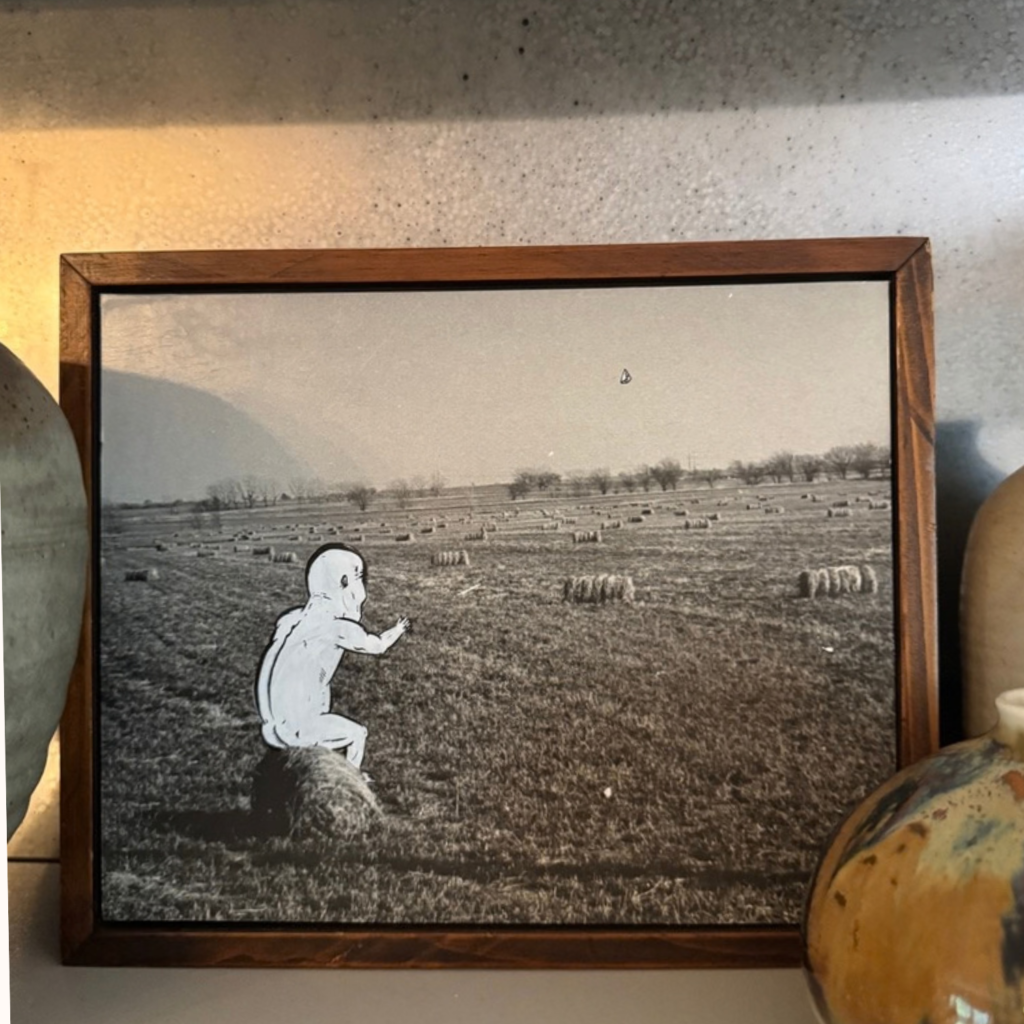
Some of the most meaningful art in my house was made by people I love. My son Eli painted over a vintage photograph he bought for a dollar at a thrift store.
A figure sitting on a hay bale, reaching for something unknown on the horizon. It leans on a shelf in our living room between studio pottery, and it holds its own.
His wife, Sydney, painted a colorful piece that hangs from the picture rail in our dining room. It’s exactly what I love: big-ish, abstract, and full of color.
I love the art from my friends, family, and even previous owners of the homes I’ve owned.
Sometimes the most inspirational art is created by the people who make your life rich already.
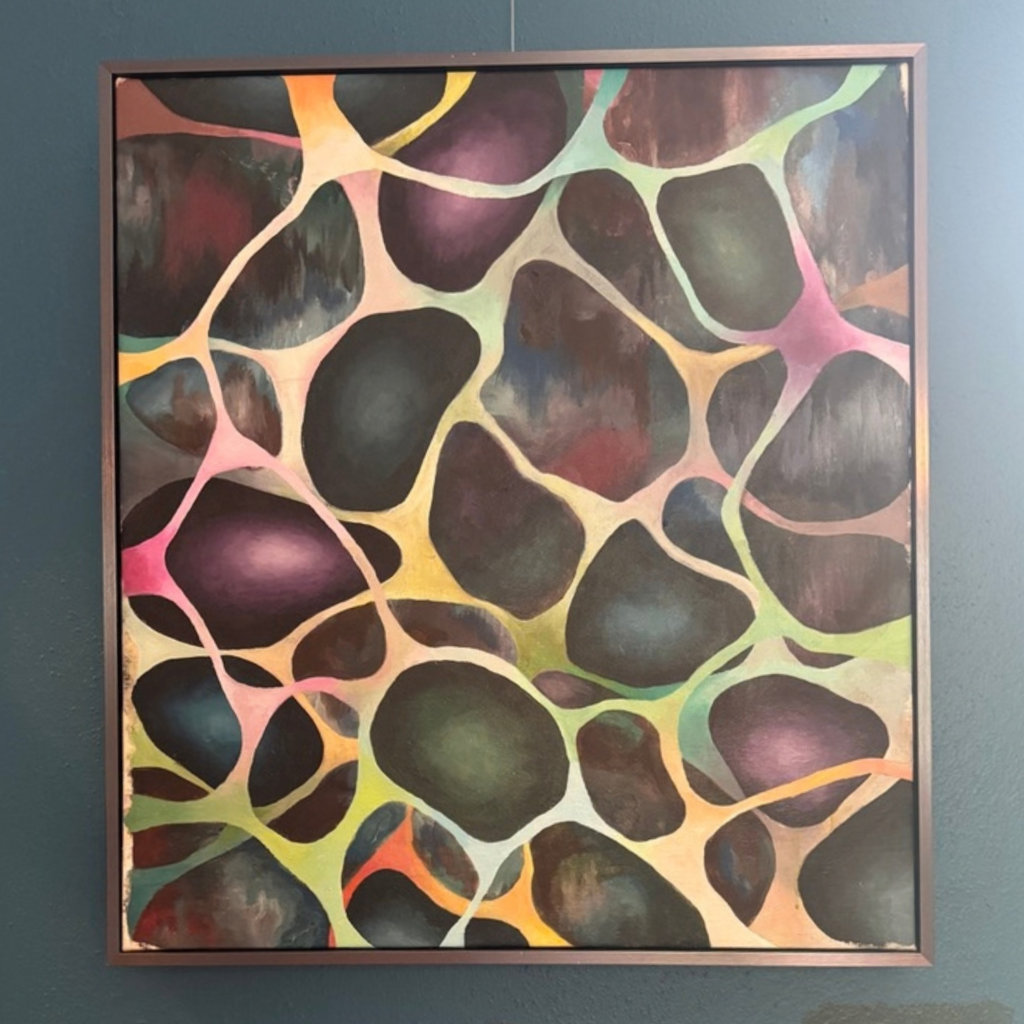
Step Three: Frame It and Hang It
Older art often comes in quality frames that would cost more new than the whole lot sold for. My H. Storn prints are proof: the frames alone were worth well more than what I paid. That said, frames may need some cleaning and restoration. I don’t generally completely remove patina or worry about wear. I buy art that is usually at least 40-years old, and I am a huge lover of proof of history.
Clean frames gently, and don’t sweat every bump and bruise.
Where to Find Cheap Frames for Your Art
Stalk Facebook Marketplace and thrift stores for the frame, not necessarily the art. Some of the best frames out there are framing not-right-for-you art: a faded print, a hotel landscape, a paint-by-number from 1978. Resell, gift, or donate what’s there now. You’re buying the frame. Custom framing can run hundreds of dollars, and sometimes that’s what you’re looking for.
Other times, though, it’s about finding a frugal frame that works just fine:
- Look for solid wood, gilt, or carved profiles. Those are the frames that cost a fortune new or in antique stores.
- Check the corners. Loose joints can be fixed. Cracked or split corners usually can’t.
- Ignore the glass. Replace it with glass or acrylic for a few dollars at a frame shop.
- Carry your measurements. Keep the sizes of the art you need to frame in your phone. It doesn’t have to fit exactly: a custom mat makes up the difference, and a wide mat makes almost anything look more expensive.
- Search like a dealer. On Marketplace, try “gold frame,” “ornate frame,” “framed print,” “gilt,” and “vintage frame,” and save the searches. Thrift stores often keep frames in a bin or stacked against the back wall. Give it a good look every visit.
What I Use to Hang and Care for Vintage Frames
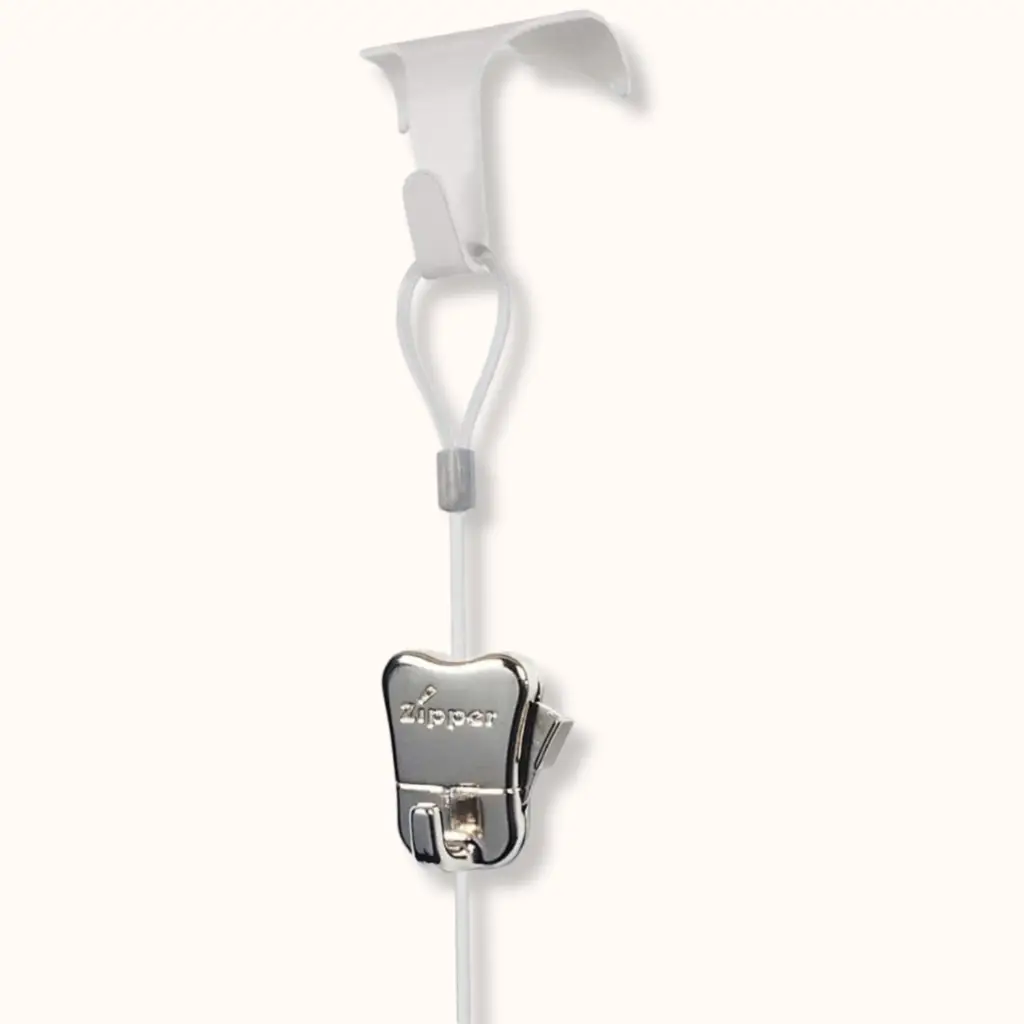
STAS Zipper Hooks with Perlon Cords
This is what hangs the art from the picture rail in our living and dining rooms.
Works with: picture rail molding Holes in the plaster: none
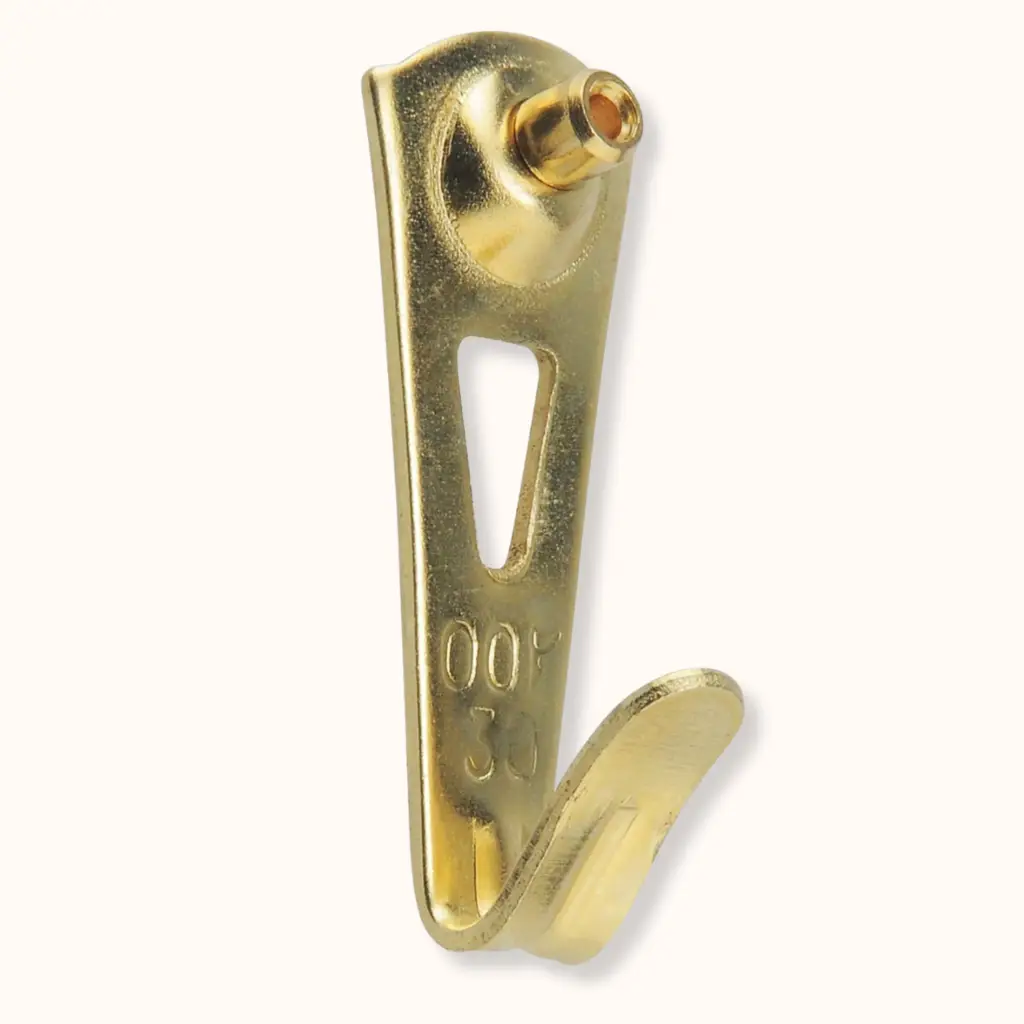
OOK Professional Picture Hangers
For walls without picture rail. The pin hole is tiny, which matters on old plaster.
Rated: 30 lb Finish: brass Pack: 25

Howard Feed-N-Wax
Feeds dry old wood frames without stripping the patina.
Size: 16 oz Made with: beeswax and orange oil
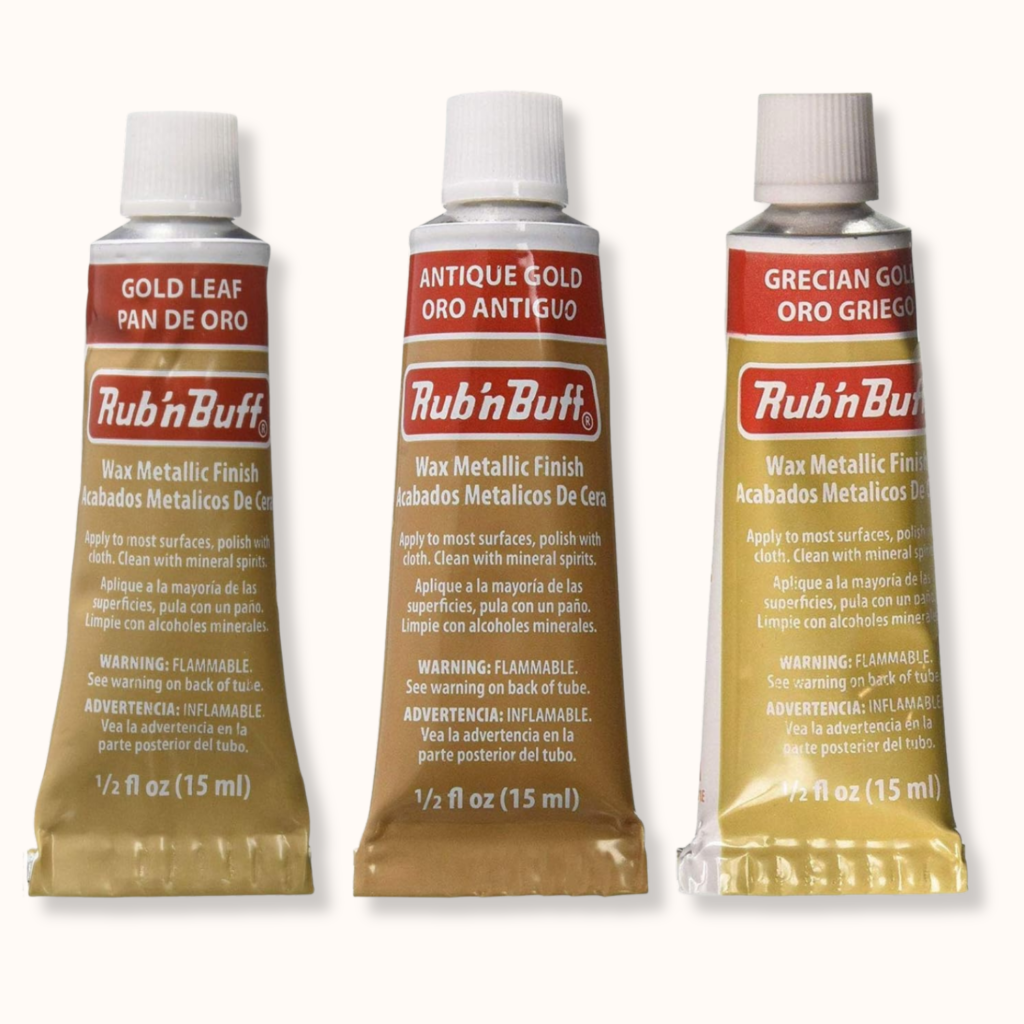
Rub ‘n Buff Gold Assortment
Touches up the chips on old gilt frames. Three golds in one pack, so you can match what you have.
Shades: Gold Leaf, Antique Gold, Grecian Gold Size: 15 ml tubes
For everyday gilt frames. If a frame might be valuable (real gold leaf, fine carved or old composition ornament), leave the chips alone or take it to a gilder. Patina is part of the story.
Related: How To: Mixing Metals in an Old House
Old House Rules: What Not to Do When Buying Art
Don’t search for a match for your sofa.
Art outlives the sofa. Buy what makes you feel something, and the room will come to life around it.
Don’t buy “investment” art you don’t love.
Unless you’re a serious collector, the return on investment should include the joy of living with it. My H. Storns are by an unlisted artist, cost me less than $70 a piece (including shipping and frames), and I wouldn’t trade them.
Don’t miss out on what’s on the back of the frame.
Signatures, labels, gallery stickers, and dates live there. That’s part of the story. So do water damage and bugs. You’re the new steward of a piece of history.
Don’t treat art as permanent.
Moving things around as your home changes gives your eyes a new way to experience art you love.
Related: Old House Wallpaper: 9 Styles for Rooms You’ll Love