
This post is for you if…
- You’re lucky enough to have original hardware in your old house, and you want to know the rules for mixing metals – and old with new – before you make changes
- You’re pretty sure there’s a “Old House Rules” guide that can help you (you’re right!)
- There’s no room in the budget for trial and error. You really want to get it right the first time
Some links may be affiliate links, meaning I may earn a small commission if you choose to purchase — at no additional cost to you. I only share products I genuinely like, would use in my own home, or have researched and feel confident recommending.
Is Mixing Metals in an Old House Period Correct?
Absolutely. And if you’re lucky enough to have original hardware hanging out in your century home, you probably want to be mixing metals, anyway. The fixtures in your house tell the story of life at home over decades.
Start by getting to know the full metal palette, finish by finish…then be sure you know how to care for your hardware and fixtures, no matter the metal.
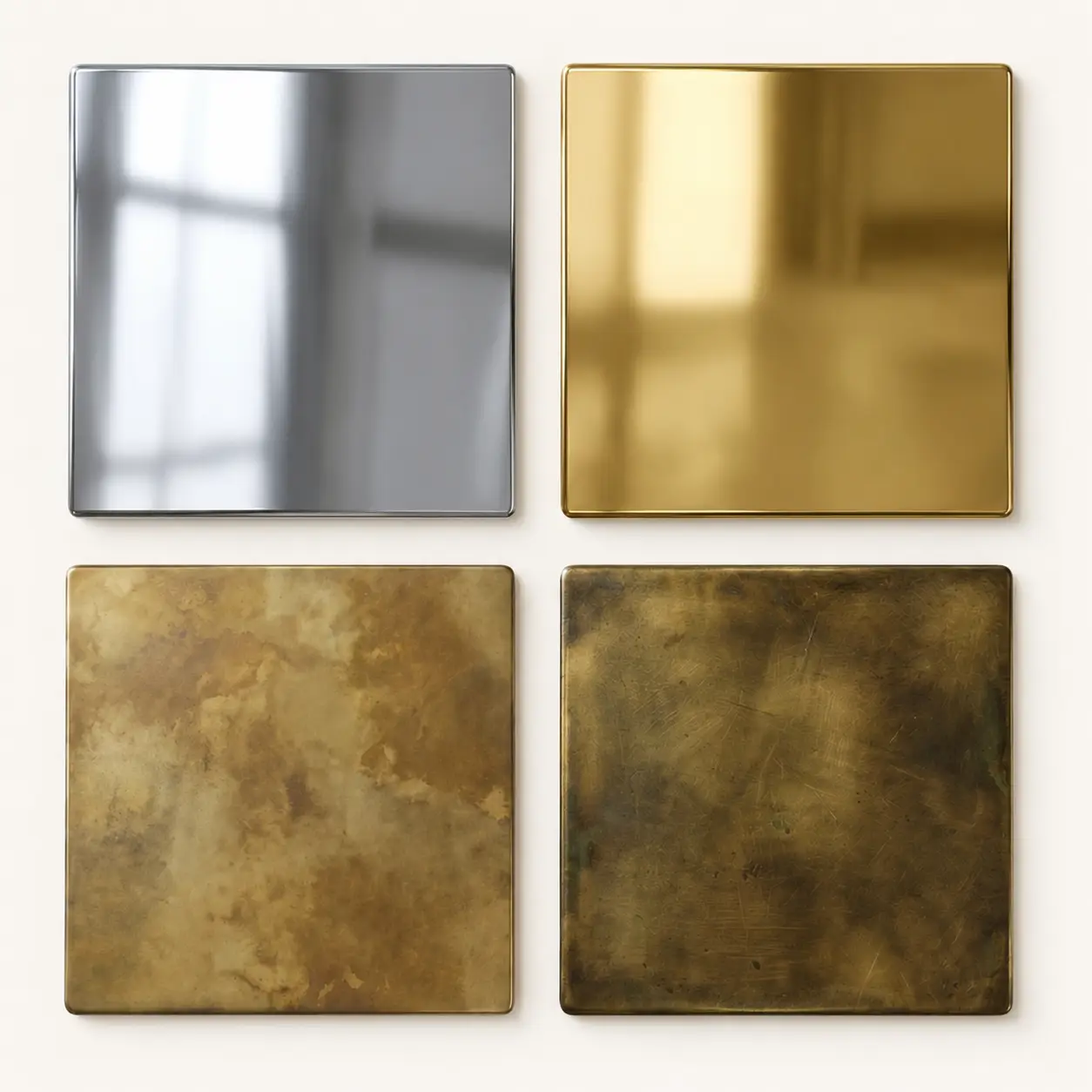
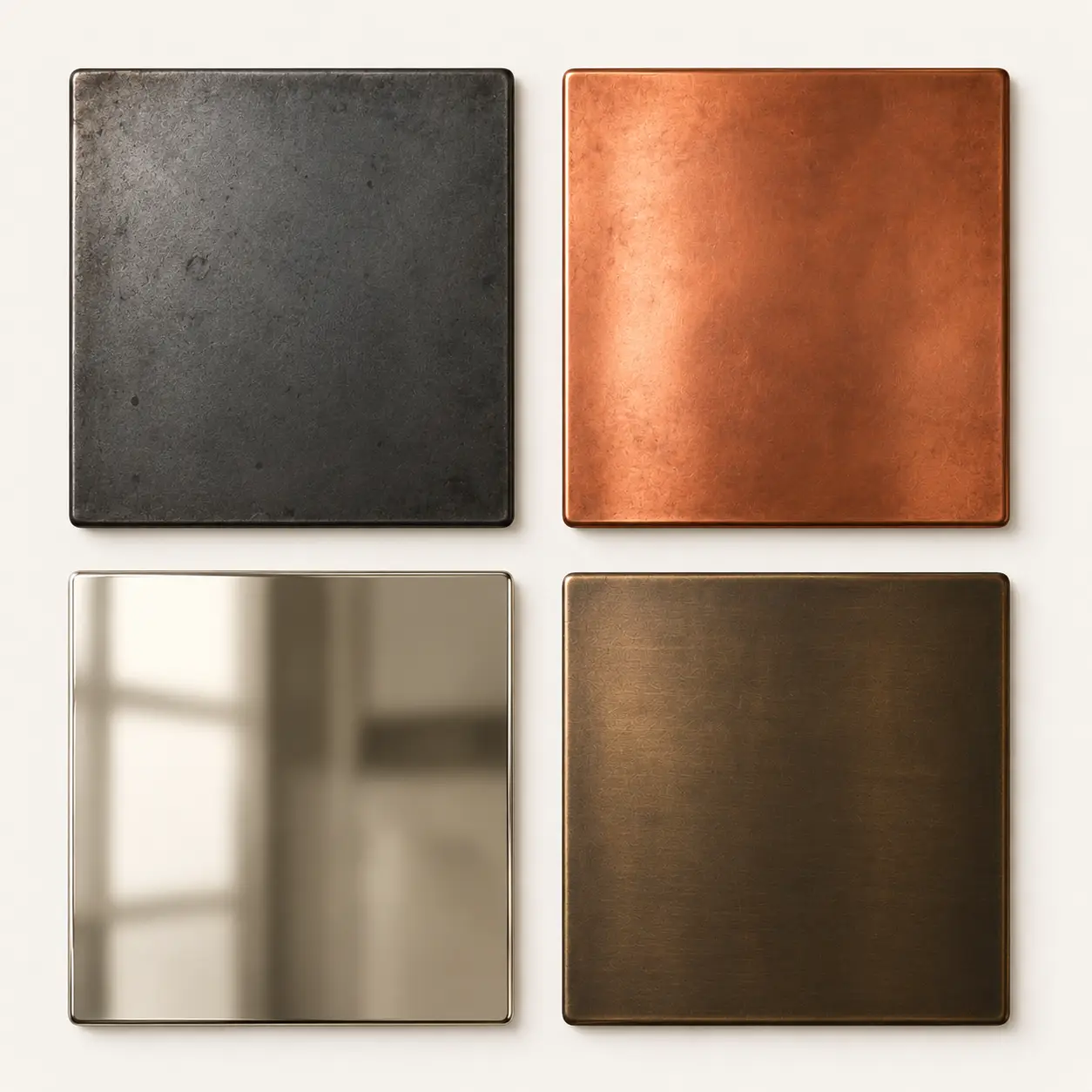
The Classics: Chrome vs Brass
- Chrome — Cool, bright mirror finish that barely changes and wipes clean; the low-maintenance, modern-classic choice.
- Polished Brass — Warm gold at its most reflective; lacquered it stays bright and a little formal, the dressiest of the brass family.
- Unlacquered / Living Brass — Starts bright, then patinas to a honeyed, blotchy brown no two pieces share; it keeps aging with the house.
- Aged / Vintage Brass — Brass with a head start on patina: deeper, mellow, uneven heirloom tones right out of the box.
Related: How to Choose: Chrome vs Brass in an Old House
The Character: Iron, Copper, Nickel, Bronze
- Iron — A dark, matte, near-black neutral that goes with everything and grounds a mixed scheme.
- Copper — Rosy and bright at install, quick to patina; a gorgeous kitchen or bar accent — use it sparingly, never as the lead.
- Polished Nickel — Cooler than brass, softer and warmer than chrome; the bridge metal that sits beside either temperature.
- Bronze — A warm, dark brown with depth; quiet and grounding, almost a softer, warmer version of black.
Related: Old House Metal Care: How to Get It Right
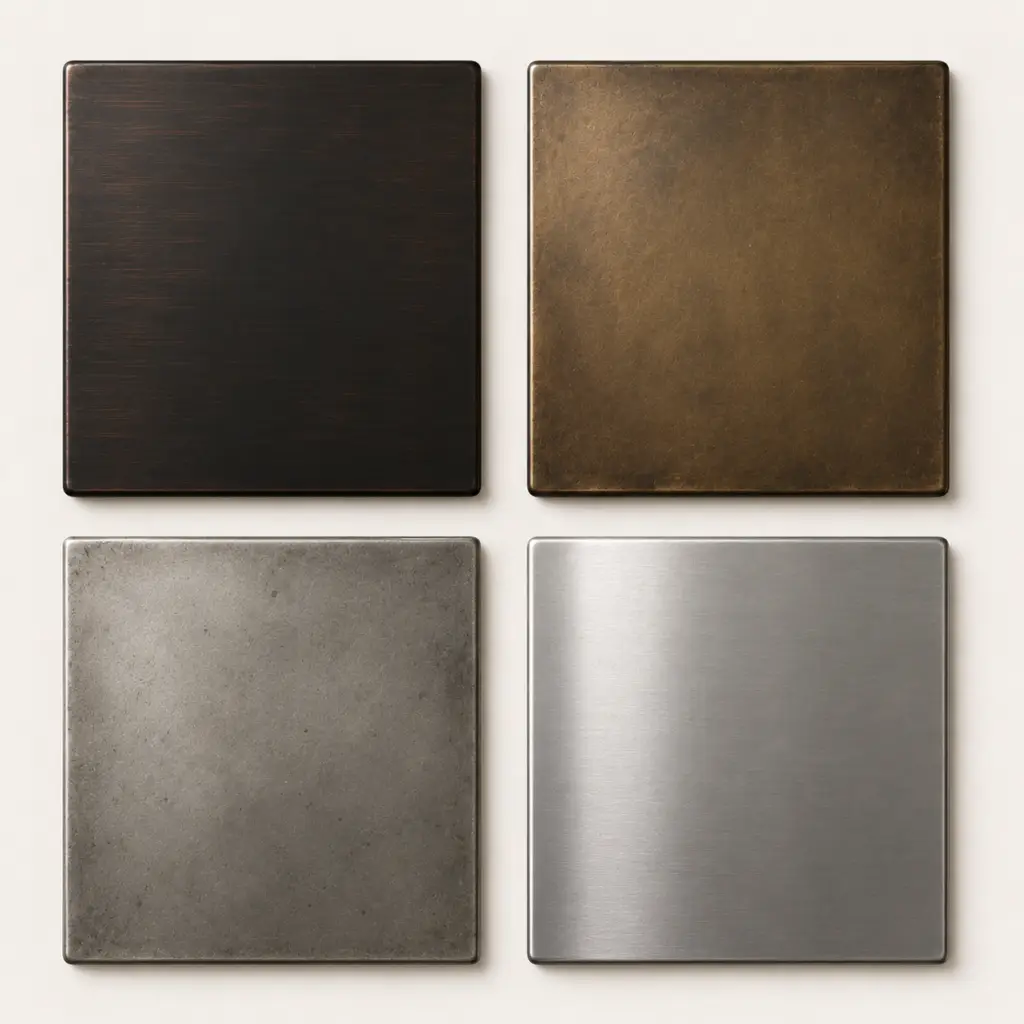
The Foundation Finishes: Bronze, Pewter, Stainless
- Oil-Rubbed Bronze — Near-espresso brown with reddish highlights where hands land; dramatic, traditional, forgiving of fingerprints.
- Aged Bronze — Antique, mottled gold-brown with real time-worn character; warmth and patina without going fully dark.
- Pewter — A soft, low-sheen grey that stays quiet; cool-leaning and understated, it never competes.
- Stainless Steel — Brushed cool silver with a directional grain; durable and utilitarian, the workhorse for high-use rooms.
Related: Old House Metal Care: How to Get It Right
How to: Mixing Metals in an Old House
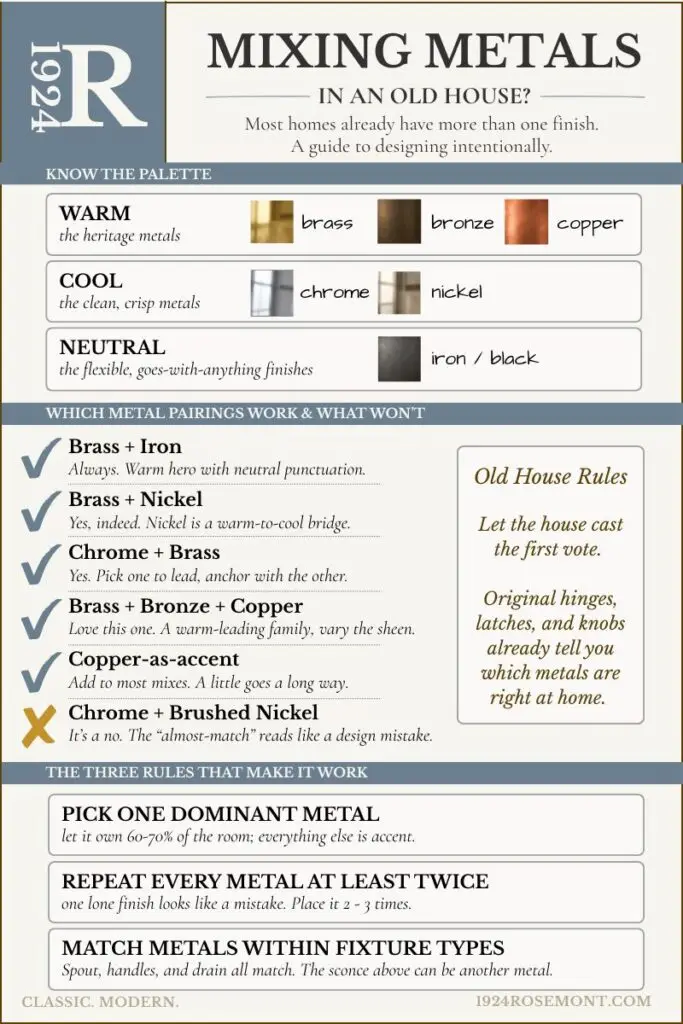
- Let your house cast the first vote.
Original hinges, window latches, and doorknobs already live there, let that history influence your design. The results will be layered and relate to what made you fall in love in the first place. Evolve what’s there; don’t erase it. - Two finishes minimum, three is the sweet spot, four is the ceiling.
One metal can read flat. Two creates the tension that makes a room feel collected. Past three — unless one is iron doing neutral duty — you’re courting some design chaos. - Pick a dominant metal and let it own 60–70% of the room.
It’s whatever your eye lands on first, usually the faucet and the lighting. Everything else is accent. A 70/30 split (or 60/30/10 with three metals) keeps a mix deliberate. - Repeat every metal at least twice.
A lone finish looks like an afterthought. Give each metal two or three spots in the room so the eye reads it as a choice — a brass faucet wants a brass sconce, hook, or knob to answer it. - Mix temperature on intentionally, not accidentally.
Warm-plus-cool (brass with chrome or nickel) is a classic old-house move — but anchor it: one temperature leads, the other repeats as a deliberate accent. Within a family — brass, bronze, copper — mix more freely; just vary the sheen. - Let nickel and iron do the diplomacy.
When a warm-cool pairing feels tense, polished nickel softens the seam and iron grounds the whole thing. These two are your peacemakers. - Match within a fixture, vary between fixtures.
A single faucet’s spout, handles, and drain should be one finish — metals that touch need to match. The faucet and the sconce above it can differ. That’s the line between “mixed” and “mistake.” - Avoid the almost-match.
The worst pairing isn’t a bold contrast — it’s two metals that nearly match. Chrome beside brushed nickel, brass beside a gold-tone: the eye reads a failed attempt, not a choice. Match exactly or contrast clearly. - Tie it together with one multi-metal object.
A light fixture, mirror, or vanity that already combines two of your metals gives the whole scheme permission and acts as visual glue.
These Old Houses deserve informed, honest materials more than they’ll ever demand perfection.
Related: Knobs vs Pulls: Know What Works for Your Old House Cabinet Hardware
Old House Hardware: Where to Spend, Where to Save
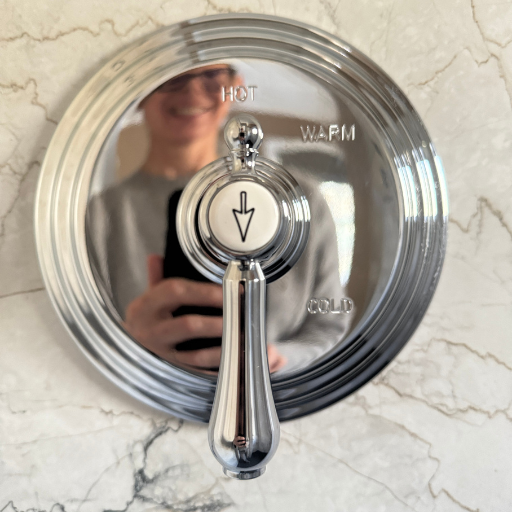
My Newport Brass Chesterfield Shower Handle (it’s the arrow that did it for me).
Mixing metals doesn’t just tell a layered story, it lets us spend strategically.
Splurge where your hands and eyes go most often.
Save where the utility calls for simple.
← Rosemont Splurge: Shower Fixtures
In my master bathroom renovation, I splurged a little on my chrome shower fixtures because I start every day with a shower and I want it to feel like an epic hotel experience every. single. morning.
Feels hotel-solid in the hand, has the porcelain that ties it in with the other porcelain accents throughout the rest of the room.
I am now 100% thrilled to shower every morning.
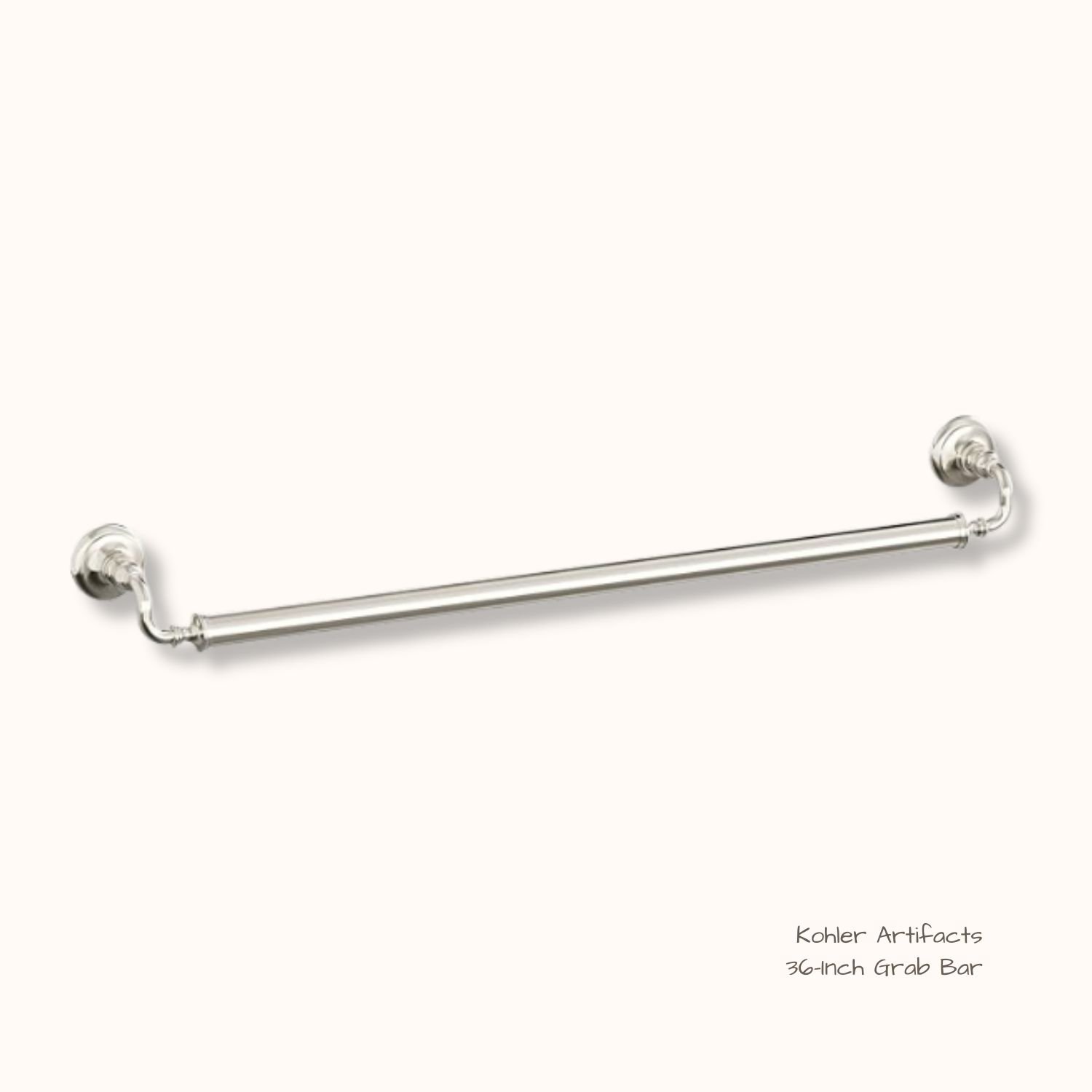
The Kohler Artifacts line grab bar is utility made beautiful.
← Rosemont Splurge: Grab Bar
I needed a new grab bar over the soaking tub, which is visible from the door. While I have a Newport Brass Chesterfield grab bar in the shower, I wanted something more … gorgeous … for the tub area.
Enter this stunningly sexy grab bar. Worth the $$$.
The Kohler Artifacts line is traditional gorgeousness that might just save your life some day. Couldn’t recommend the artifact line more.
Bottom line, this is a gorgeous splurge that’s visible as soon as you walk into the room.
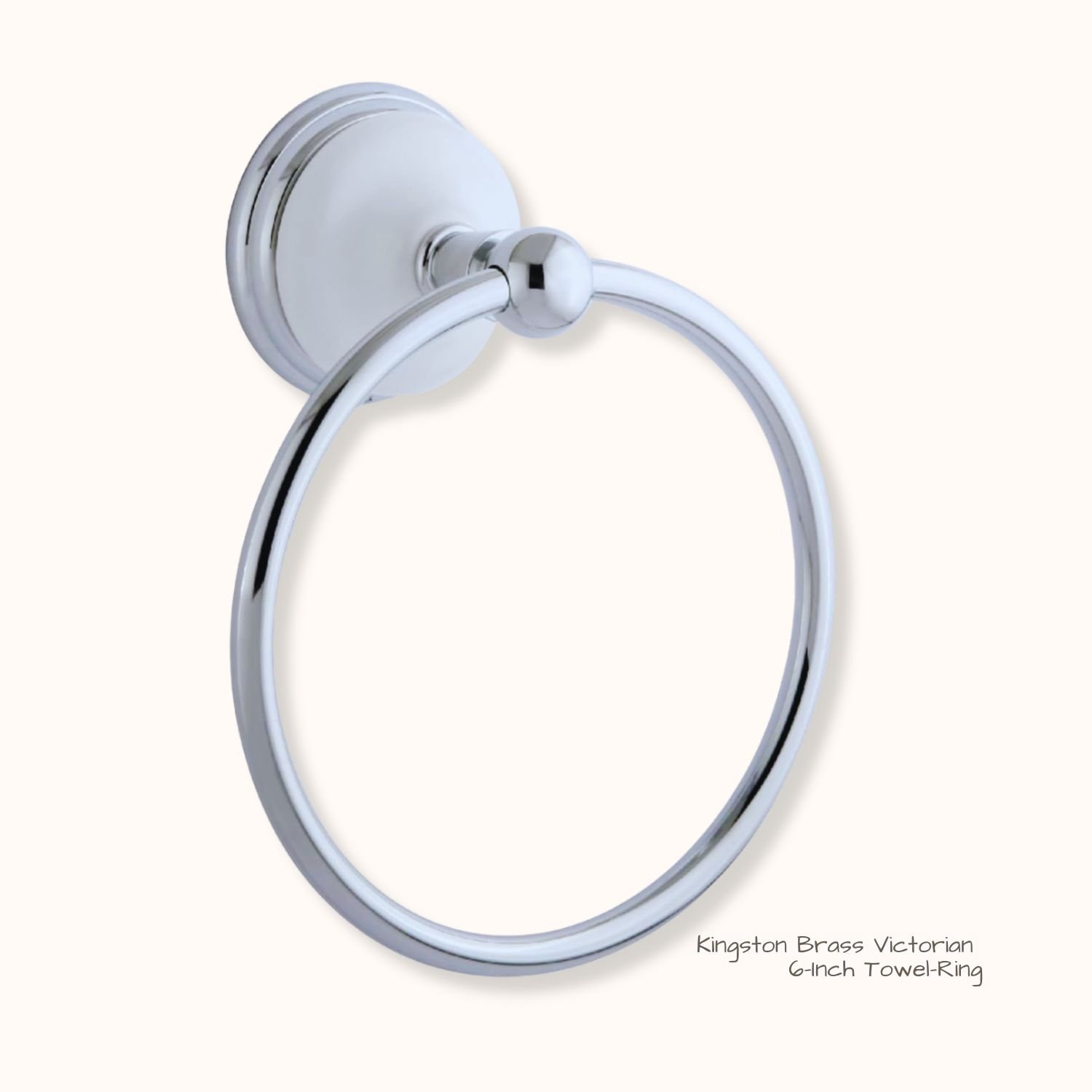
Kingston Brass Victorian Towel-Ring (similar)
← Rosemont Save: Existing Towel Rings
But….my towel rings (which I really don’t use regularly) have a similar look to the rest of the fixtures in the room, and were in the room when I bought the house, but are from a much more economical line.
I didn’t splurge here, because they’re not highly visible. They’re not something I touch throughout the day, and they’re still working really well with the rest of the fixtures in the room.
And because I wanted to keeps costs in check after overruns caused by floor drama, I took an “if it ain’t broke, don’t fix it” design approach.
Worth the Splurge
- shower fixtures (the handleset)
- sconces
- vanity mirrors (here are some of my favorites)
- cabinet hardware
- grab bar
Where to save?
- towel rings
- toilet paper holder
- towel bars
- hooks & valet hardware
- hidden plumbing rough-ins
And of course, the very best save of all… restoring and reusing existing original hardware and lighting. I’m restoring hinges, door hardware, window hardware, and existing hooks and cabinet hardware as I work my way through every room.
Related: 15 Bathroom Accessories That Don’t Ruin the Old House Look
Here’s to mixing metals masterfully!
Mixing Metals in Old Houses: FAQs
Yes, indeed! Two finishes creates the tension that makes a room feel collected instead of flat; three reads layered and intentional. The mistake isn’t mixing, it’s mixing without a plan. The trick is mixing purposefully: choose one dominant metal for about 70 percent of the room, repeat every finish at least twice, and let nickel or iron bridge a warm-and-cool pairing. Get the full old house rules.
Mixing by definition means at least two finishes, three is the layered-over-time sweet spot, four is the ceiling. Past four you’re on the verge of chaotic design, unless one of them is iron doing neutral duty. Old House Rule: pick a dominant metal and let it own 60 to 70% of the room; every other metal is an accent.
Match? No. But they do need to coordinate. A great rule of thumb is: match within a fixture “family”, vary between fixtures. So, a sink’s faucet, spout, handles, and drain should be one finish, but the sconces and pulls or knobs might be in a complimenting mixed metal.
A living finish is unlacquered metal, bare brass, copper, oil-rubbed bronze, or iron, that reacts to air and touch. It darkens, mottles, or develops a patina where hands land, and (for me and many other Old House lovers) that patina is the point, not something to polish away. A lacquered or plated finish is sealed instead, so it stays bright and uniform and never develops that character. Knowing which you’ve got (or are considering) matters when you’re choosing hardware finishes to update.
Related: Cabinet Hardware Refresh: How to Beautifully Update Without Replacing
Yes, and it all starts with knowing one thing…no matter the metal: is the finish sealed or living? Lacquered brass, plated nickel, and chrome are sealed, so gentle soap and water is the whole routine, no polish needed. Living finishes like living brass, copper, and oil-rubbed bronze can be cleaned and waxed, but each metal has its own “just right” method, not one all-purpose polish.