

This post is for you if…
- You’ve done the hard work on tile, fixtures, and lighting…and a “just right” mirror is the one detail you’re still hunting
- You keep finding mirrors online that are technically fine but somehow wrong for the room
- You want a mirror that reads as collected, not big box buy
- You’re working in an old house with period details and you don’t want to undo them with one wrong rectangle
Start Here: 5 Mirrors That Always Work in Old Homes
If you only buy one mirror, start with one of these styles. Vintage or new.
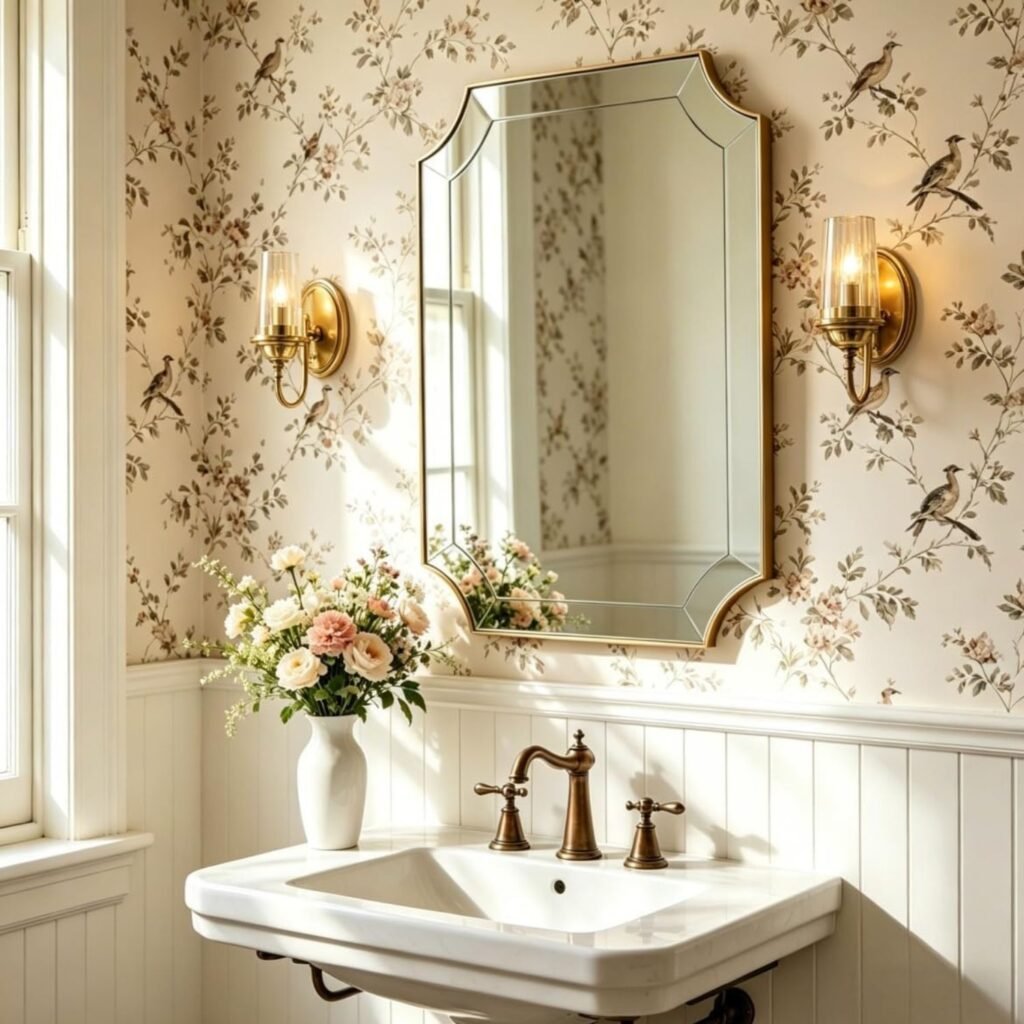
The scallop detail is period-informed in a way that a simple framed rectangle just isn’t.
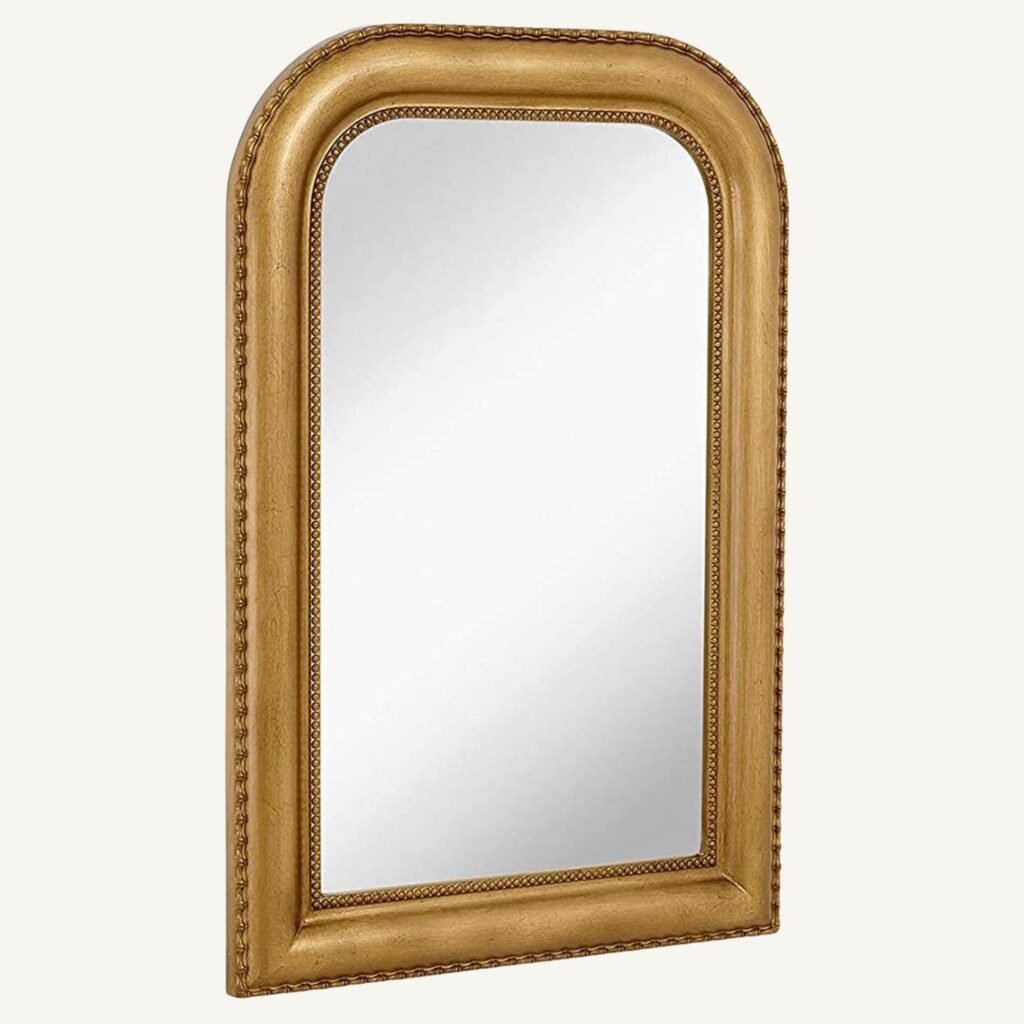
<$250, Amazon
Thick arched top, rich gold-tones frame, polished glass. One of the better Amazon mirrors for an old house bathroom.
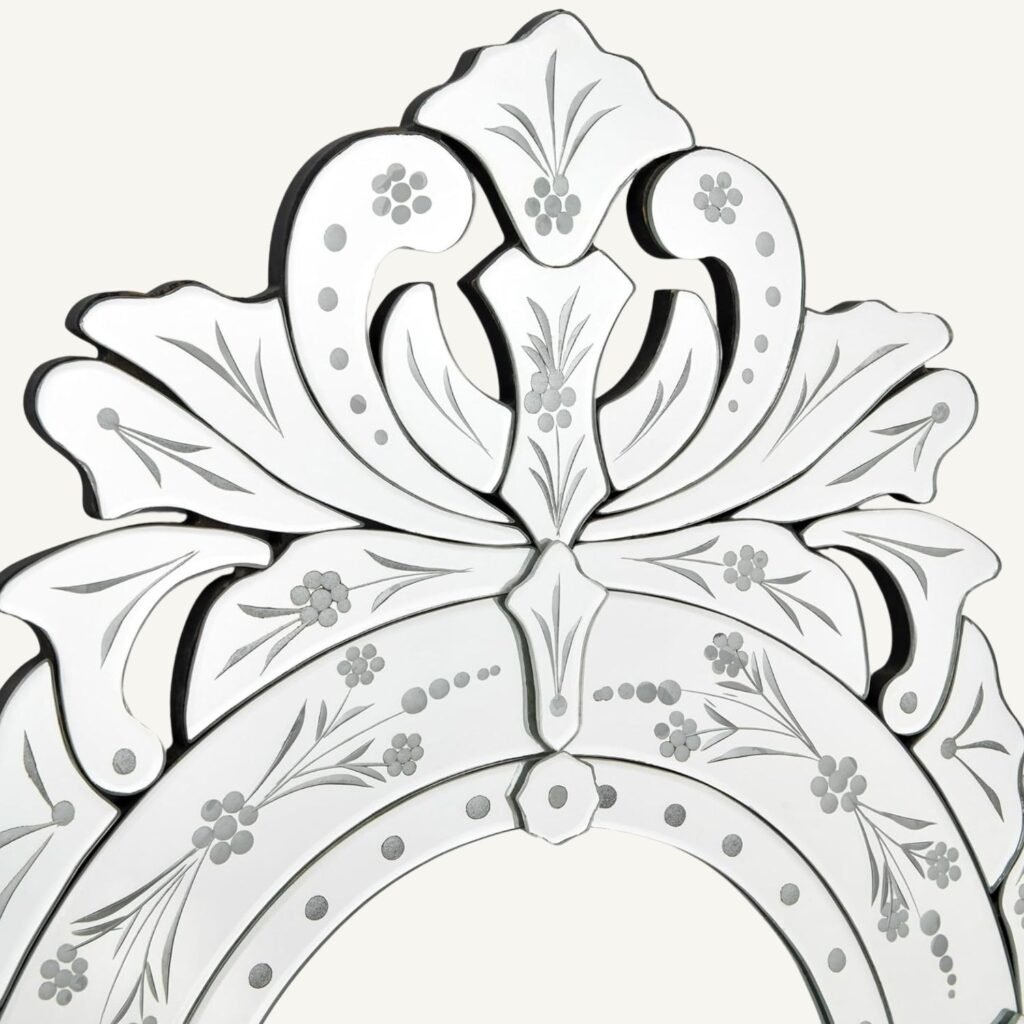
Antique Venetian glass vibes for much, much less.
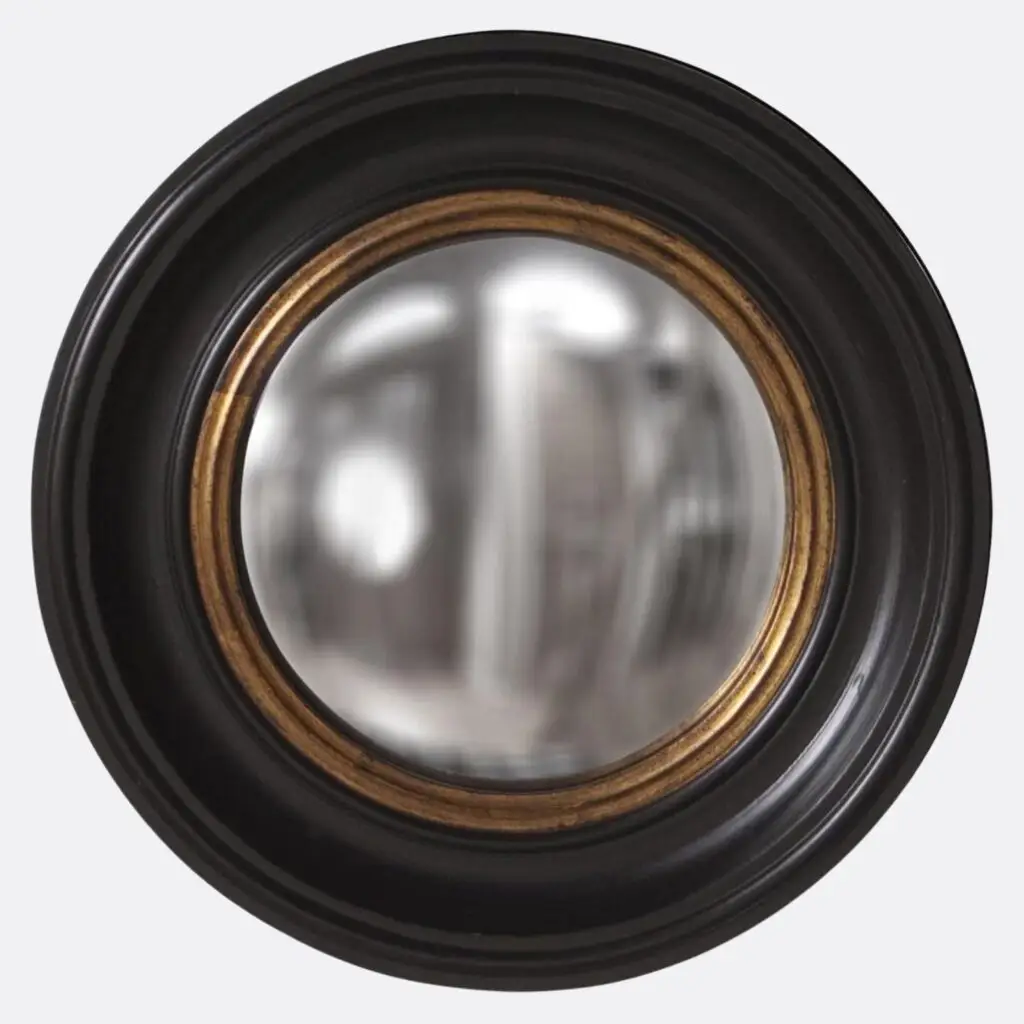
<$150, Amazon
A mid-sized convex mirror at an pretty accessible price point that doesn’t look like it came from a chain store.
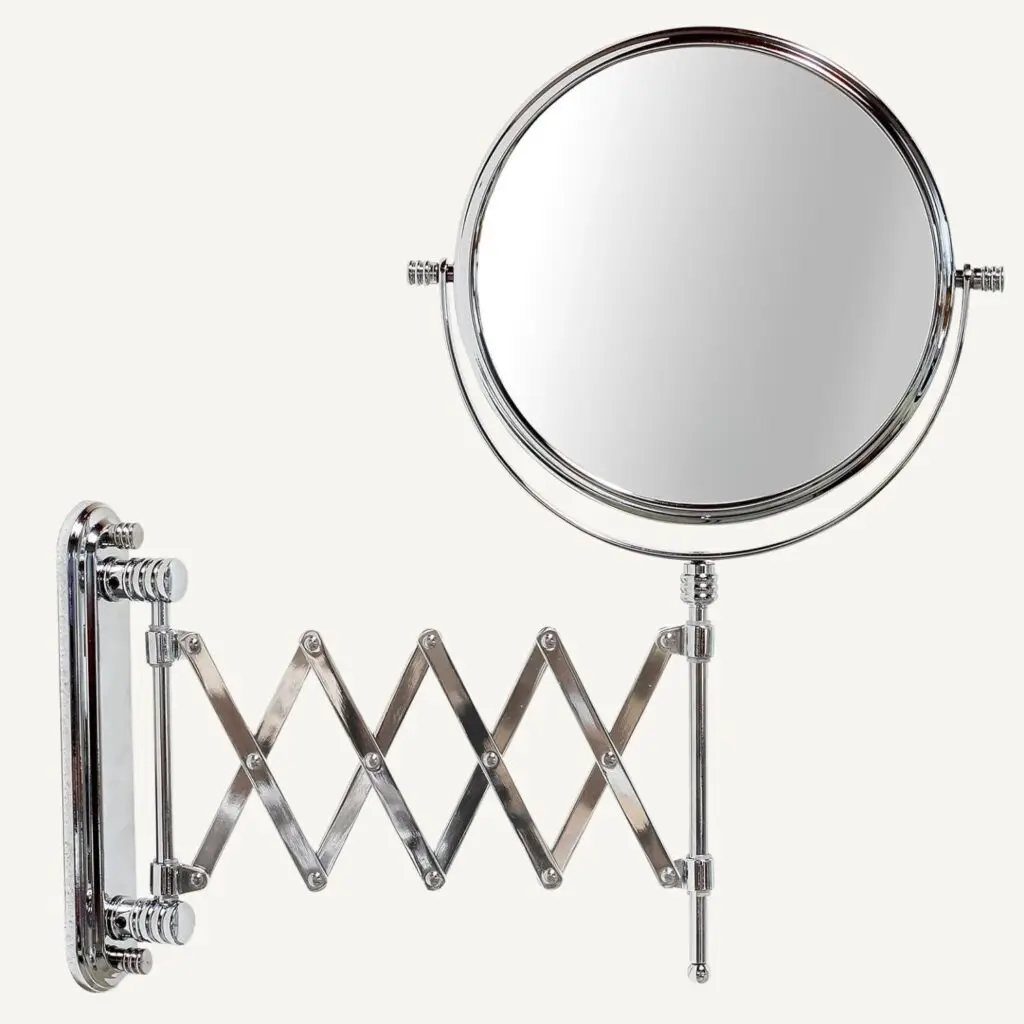
<$40, Amazon
Both a statement and a functional mirror. The modern take on the classic shaving mirror.
Want the list of mirrors that actually work? → Shop the full story
Some links may be affiliate links, meaning I may earn a small commission if you choose to purchase — at no additional cost to you. I only share products I genuinely like, would use in my own home, or have researched and feel confident recommending.
Great Mirrors Make the Room Better (A Cautionary Tale)
I once owned a gilt convex Federalist mirror. Years ago. It was old. The kind with the carved eagle finial, the sphere-adorned inner ring, and the convex glass that makes a room look like a painting of itself. I stupidly sold it for peanuts years ago during a move and thought I’d find another one.
I was wrong.
Go to Chairish today and search “gilt convex mirror.” The ones that look like what I had … the real ones, circa 1820s, American Federalist … start around $3,000. The one I sold I let go of for a few hundred dollars.
That’s the mirror education I wish I’d had before I let it go.
I beg of you: Don’t sell a good mirror.
And if you don’t have one yet, let me save you some time finding the right one for your old house.
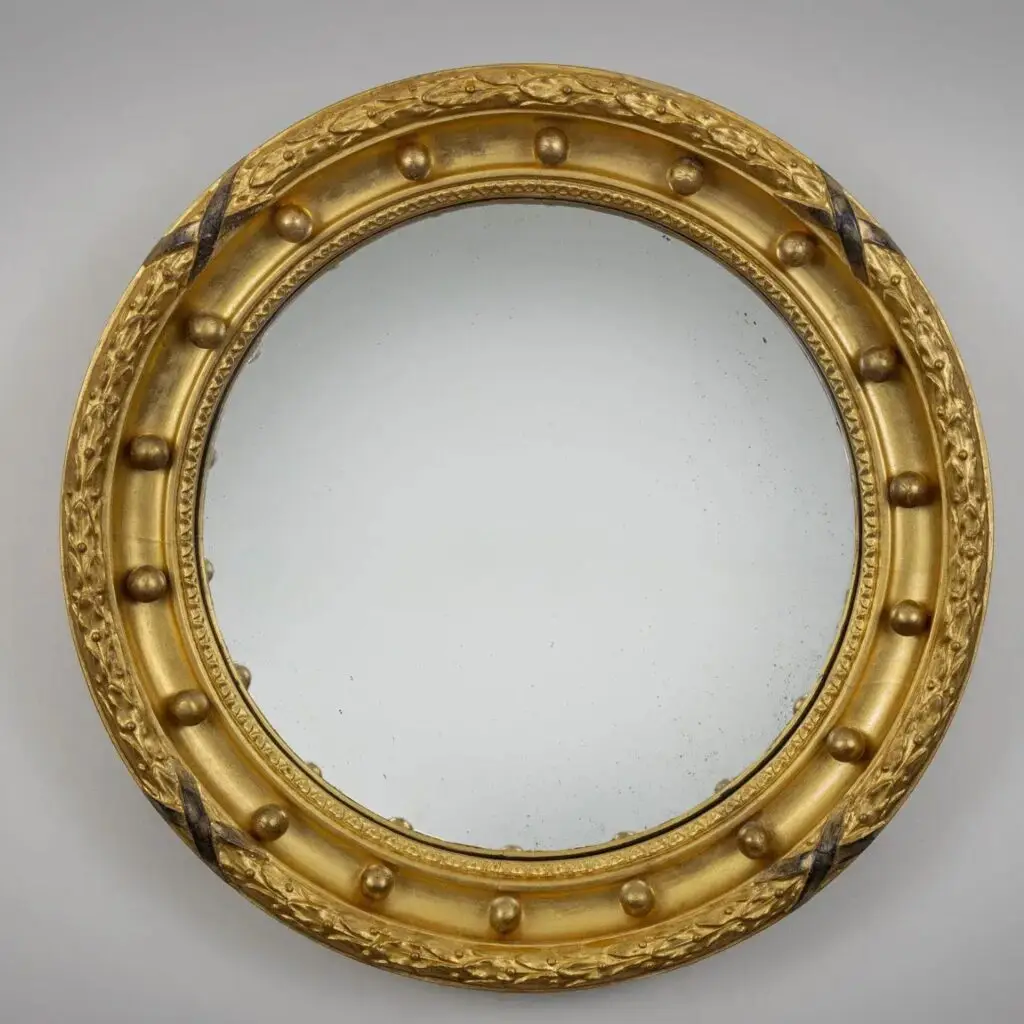
This one’s the spitting image of a mirror I deeply, deeply regret selling.
Why mirrors are different in a historic home
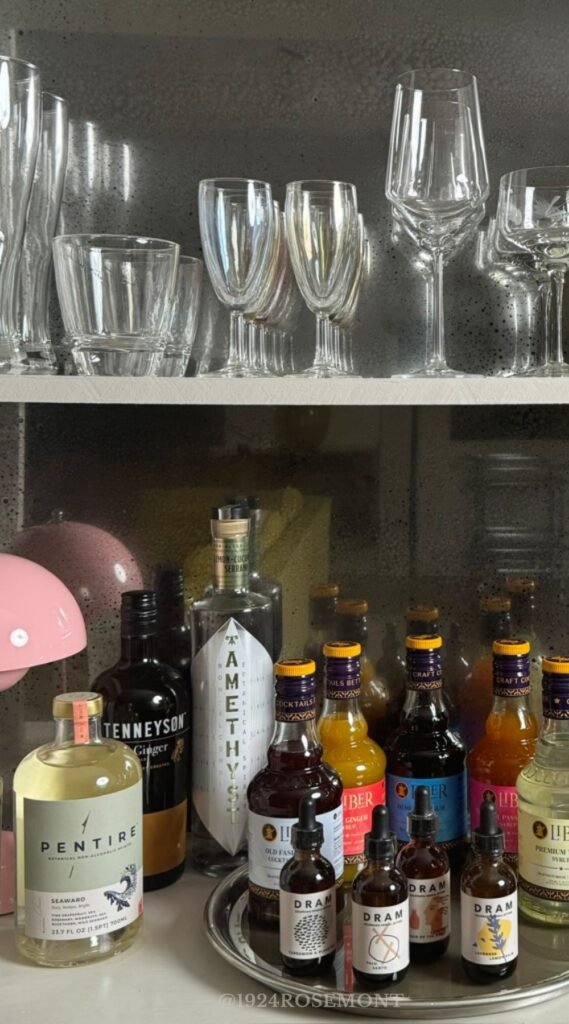
Related: Bring foxed mirrors in unexpected ways
Modern mirrors are designed to disappear. Frameless, floating, minimal. That works beautifully in a bathroom that’s also designed to disappear, to be minimal and sleek.
In a room with original woodwork, period tile, or plaster walls with a century of settled character, a mirror that disappears just screams “I don’t belong”.
What works instead: frame weight, historical profiles, aged or warm metal finishes, and proportions that feel generous rather than perfectly calculated.
The mirrors that feel right in old houses are almost always ones that could have existed in the house originally OR that look like they were collected over a lifetime rather than bought to match a finish.
In my house today, I use scavenged-from-thrift-store Federalist wood-framed mirrors in two spots: one over a kitchen sink, one in the guest cottage.
I found both of them for under $50 each. Neither is precious. They have patina. And wear.
Which means both are exactly right, for their “right now”.
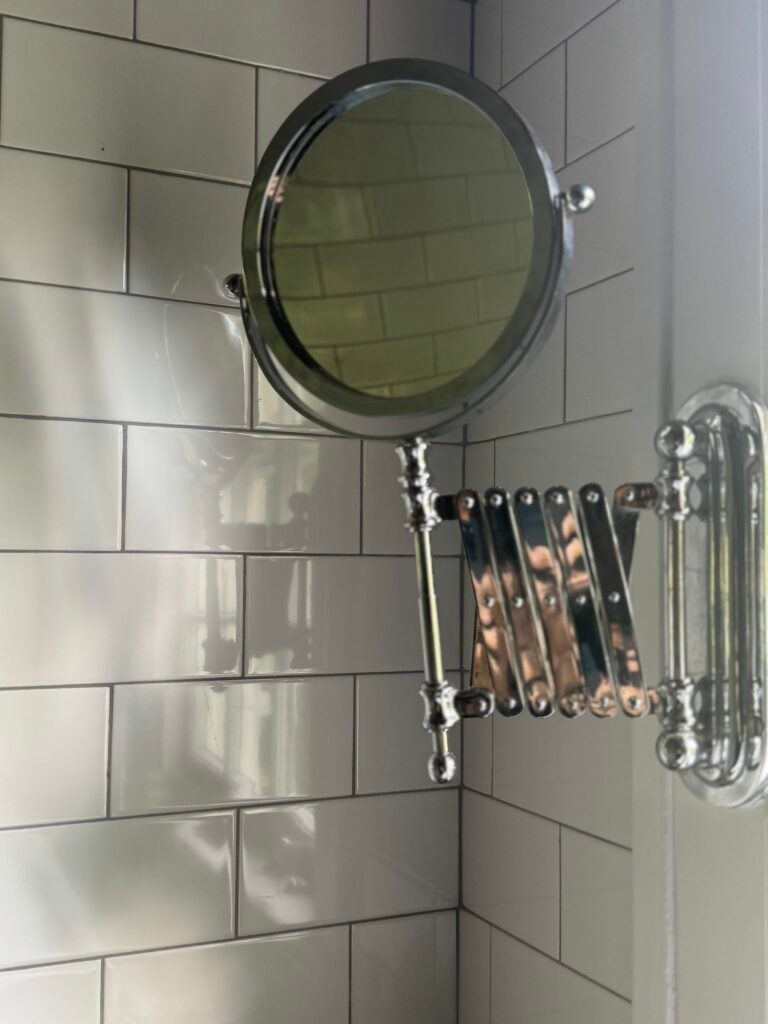
And in the laundry room (which is the former master bathroom), there’s still an original shaving mirror from when the house was built. It’s nickel-plated, wall-mounted, and extends on a swing arm. Nothing I could buy new would do the same job, or feel as at home.
That’s the real argument for buying vintage first: the mirrors that feel right in old houses already lived in one.
Related: How to Get the Antique Mirror Look For Less
What makes a mirror right vs. wrong in a historic home
Right
Arched tops, gilt or aged brass frames, wood frames with visible grain, convex glass, beveled edges on substantial frames, anything with a shelf ledge, Venetian-style etched glass, pivoting shaving mirrors, any profile that would have existed before 1940.
Old House Rule
I’m all for bringing in a mid century modern mirror into a traditional 1920s classic room if it “works” for your eye. Mixed “eras” make a home collected.
Wrong
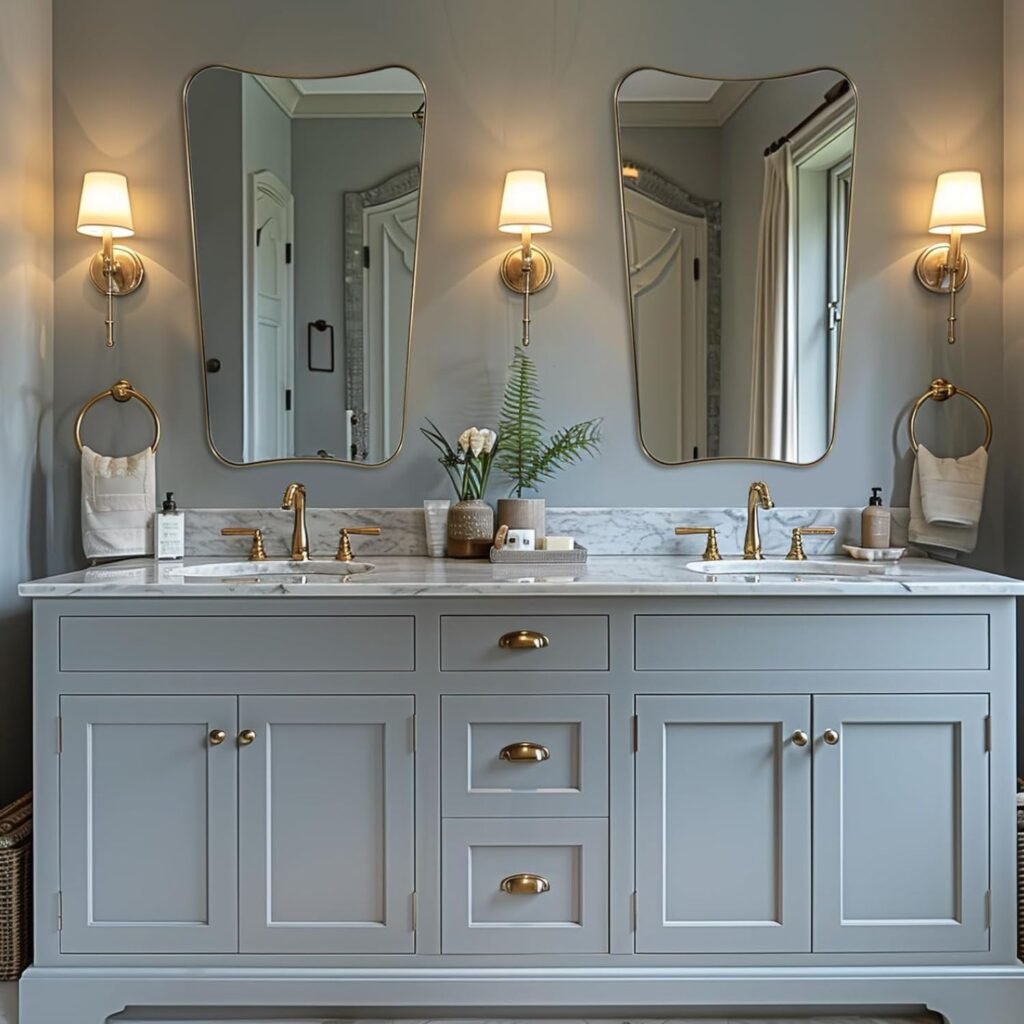
Frameless, personality-free rectangles, perfectly round in brushed nickel, integrated LEDs, most anything described as “minimalist” or “sleek,” matching mirror sets sold as a coordinated bathroom collection.
Old House Rule
Sometimes, you can’t find what you’re looking for, and new is the only option. There are a ton of design-forward-on-a-budget mirrors around. Don’t settle for just a reflective surface.
New or old, the sure-fire failure? Chrome-plated, plastic frames that look fine in a photo and wrong the moment they’re on the wall. Weight and solid construction are visible in person even when they’re not obvious online. It’s exactly why buying vintage in person or from a curated source like Chairish beats scrolling Amazon blindly.
When you do buy new online? Go DEEP in the comments. People don’t hold back in their feedback, which really helps us make the most of every dollar we spend.
Specifically shopping for a vanity mirror? → Old House Rules for Bathroom Mirror Sizing
Where to find mirrors just right for historic homes
Start here
Facebook Marketplace, estate sales, local antique/thrift shops, and eBay.
This is where the best mirrors are hiding, at the best prices.
The Federalist wood frames I found were both local thrift wins.
Bring your wish list, patience, a tape measure, and a point of view and you’ll find mirrors no algorithm will surface for you.
For curated vintage
Chairish, EBTH, and Live Auctioneers are some of the most reliable online sources for mirrors that belong in old houses.
Search “convex mirror,” “Federalist mirror,” “gilt mirror,” “Venetian mirror”, “Pier”, “Mantel”, “antique shaving mirror” and filter by era.
The prices reflect quality and how hard to find the mirror is. A genuine Regency convex mirror might run $1,500–$6,000.
But the sourcing is trustworthy and the photography is honest.
For aspirational reference
1stDibs carries the museum-grade pieces.
I’m currently coveting a mid-century modern cherry mirror with inlay mosaic in the perfect tones for my house.
I’m not recommending you buy it (but if you do, please send me pictures of it in your house).
I am recommending you use 1stDibs as a home for aspiration to rev up your creativity about what “right” can look like.
Then go find the version that fits your budget.
Affordable mirrors that actually work in an old house
Amazon and other mainstream retailers have some mirrors worth considering, with caveats.
The ones that work tend to be classic, borrow from history, and substantial in frame weight.
The ones that don’t work are frameless, flimsy, or designed for a house filled with
“stuff I bought”
not
“things I’ve collected”
Related: How to Get Boutique Hotel Bathroom Lighting at Home
[Amazon]
Shop this story: Mirrors worth considering for historic homes
Some links may be affiliate links, meaning I may earn a small commission at no additional cost to you.
Start Here: 5 Mirrors That Always Work in Old Homes
If you only look at five options, look at these.
The scallop detail is period-informed in a way that a simple framed rectangle just isn’t.
<$250, Amazon
Thick arched top, rich gold-tones frame, polished glass. One of the better Amazon mirrors for an old house bathroom.
Antique Venetian glass vibes for much, much less.
<$150, Amazon
A mid-sized convex mirror at an pretty accessible price point that doesn’t look like it came from a chain store.
<$40, Amazon
Both a statement and a functional mirror. The modern take on the classic shaving mirror.
Vintage Finds
If you find a good vintage mirror at a reasonable price, buy it. It won’t be there tomorrow.
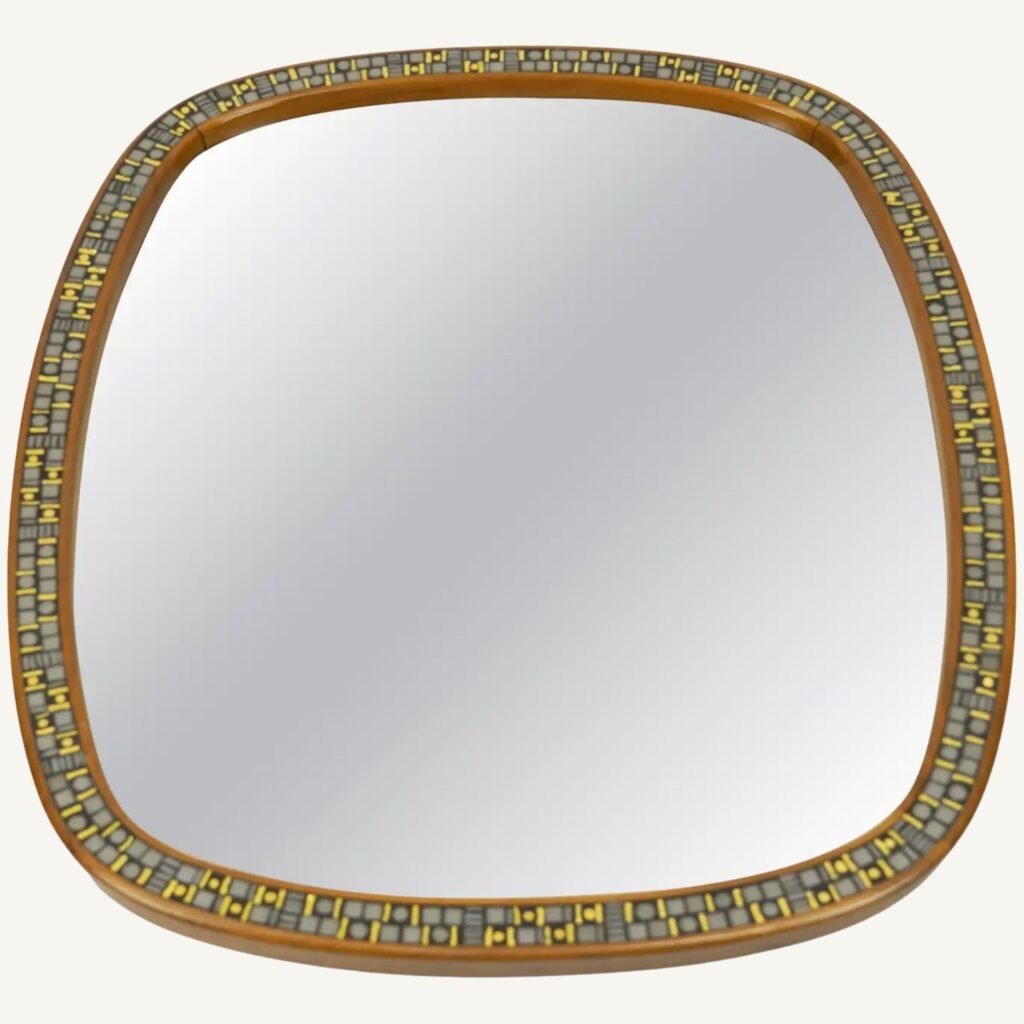
I’m fully in love with this mirror. Craftsmanship, one of a kind look. This one is special. [1stDibs]
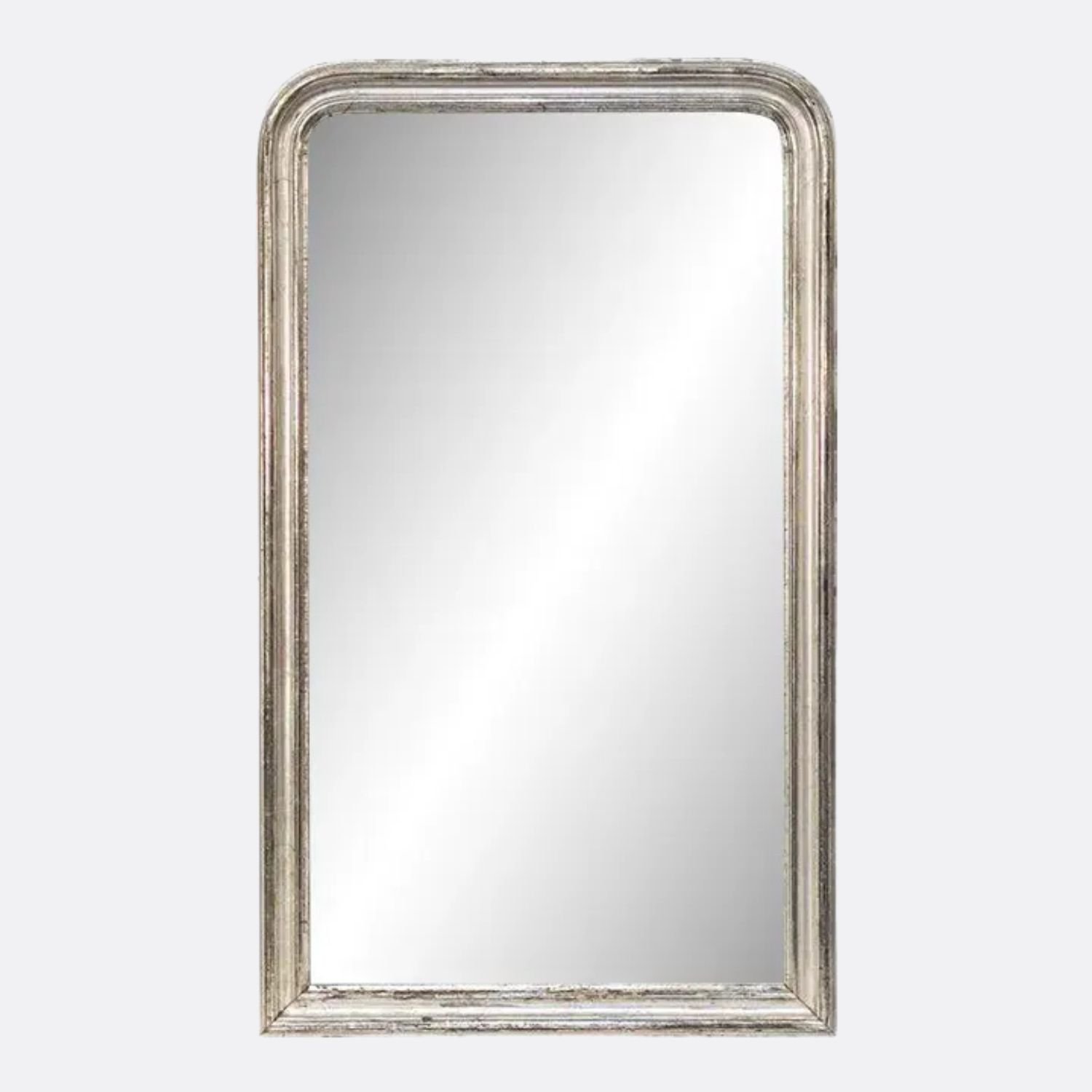
For aspirational reference.
This is what the category looks like at the top. [Chairish]
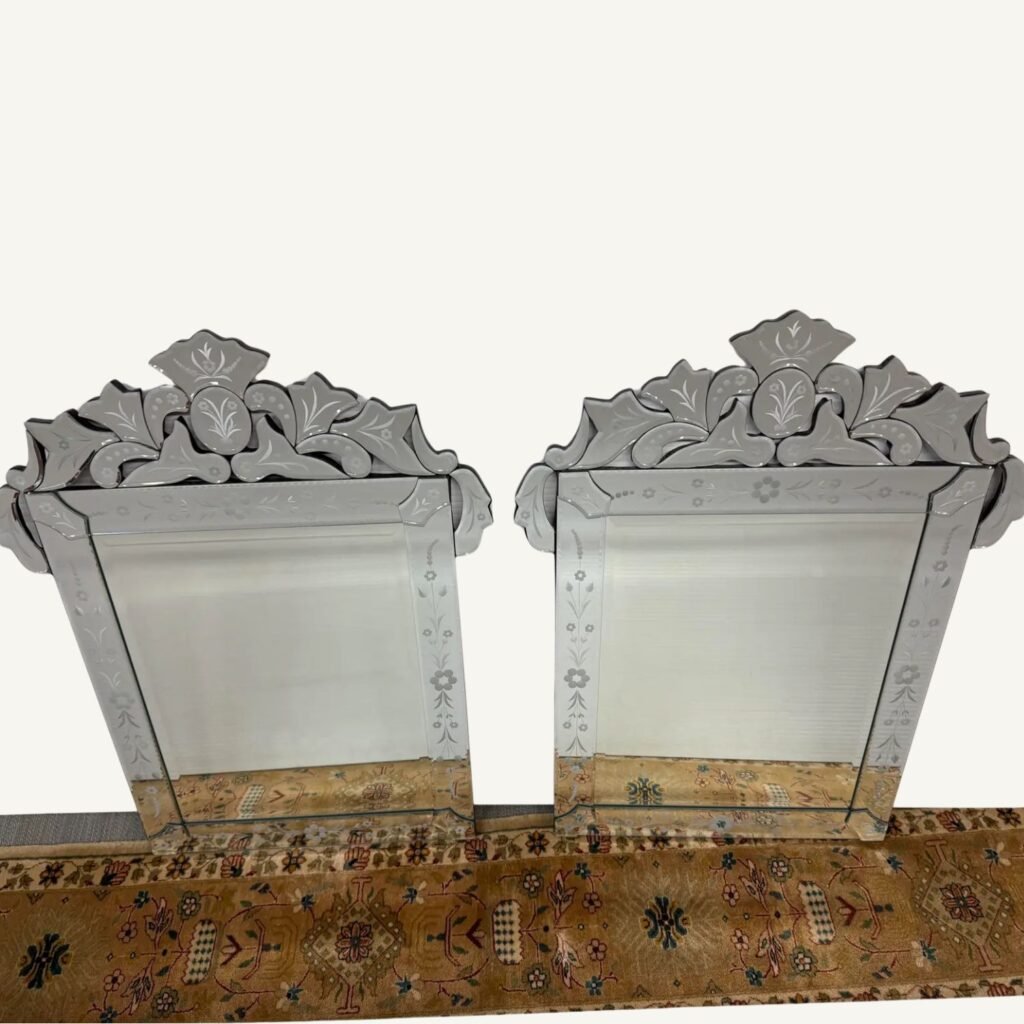
A pair of etched Venetian glass reads as genuinely old in a way almost nothing new can replicate. [Chairish]
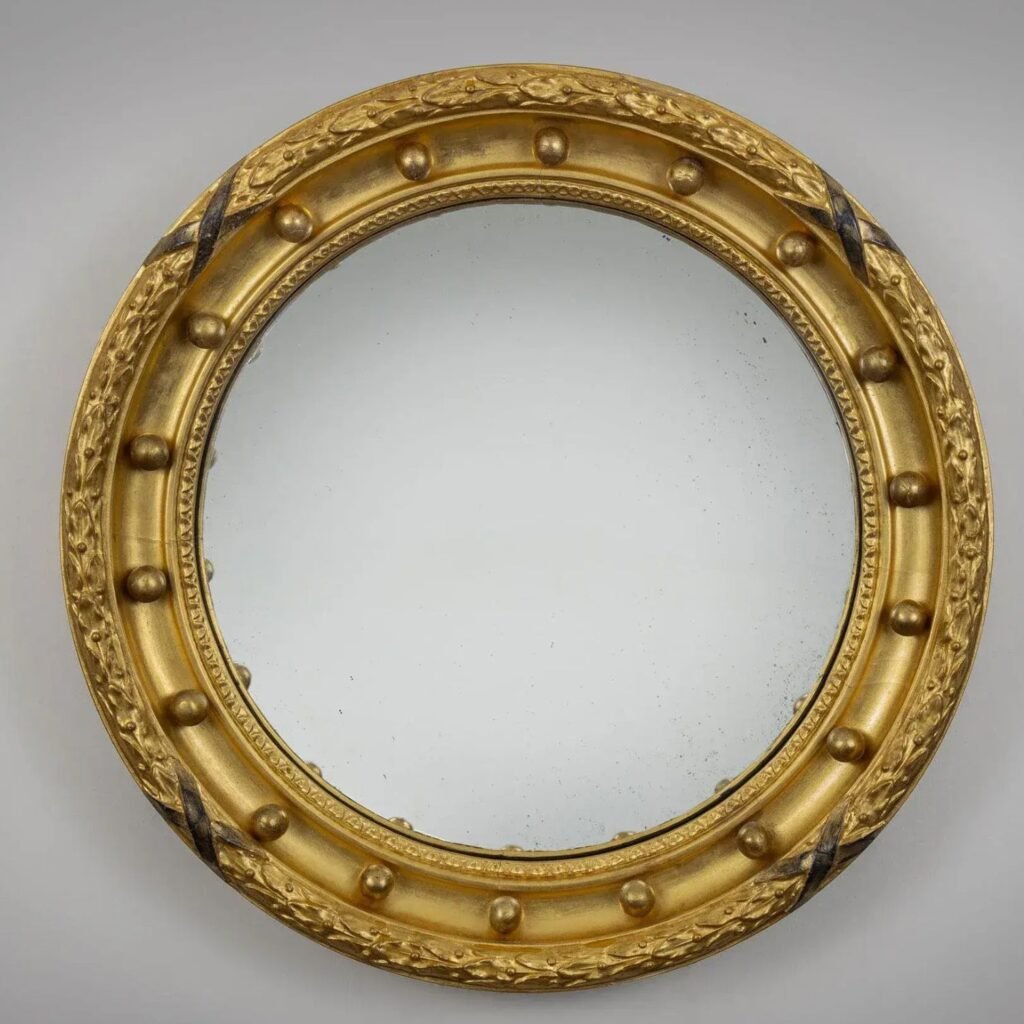
This is the spitting image of the mirror I regret selling.
A genuine period convex mirror with giltwood frame is the single most historically appropriate mirror you can put in a pre-1940 home. If you find one in your price range, buy it. [Chairish]
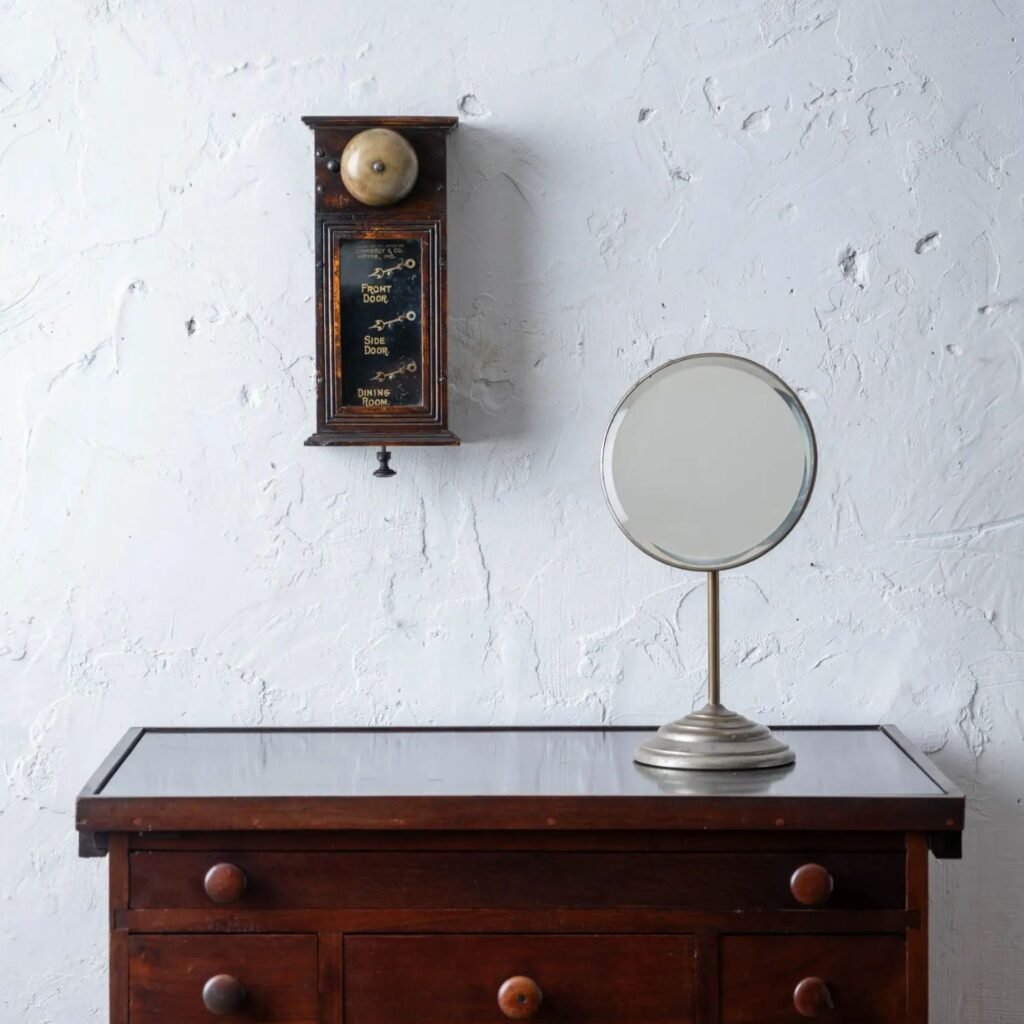
Original shaving mirror, patina and all. This is living with the house, not decorating it. [Chairish]
More Mirrors That Work (If You Want Options)
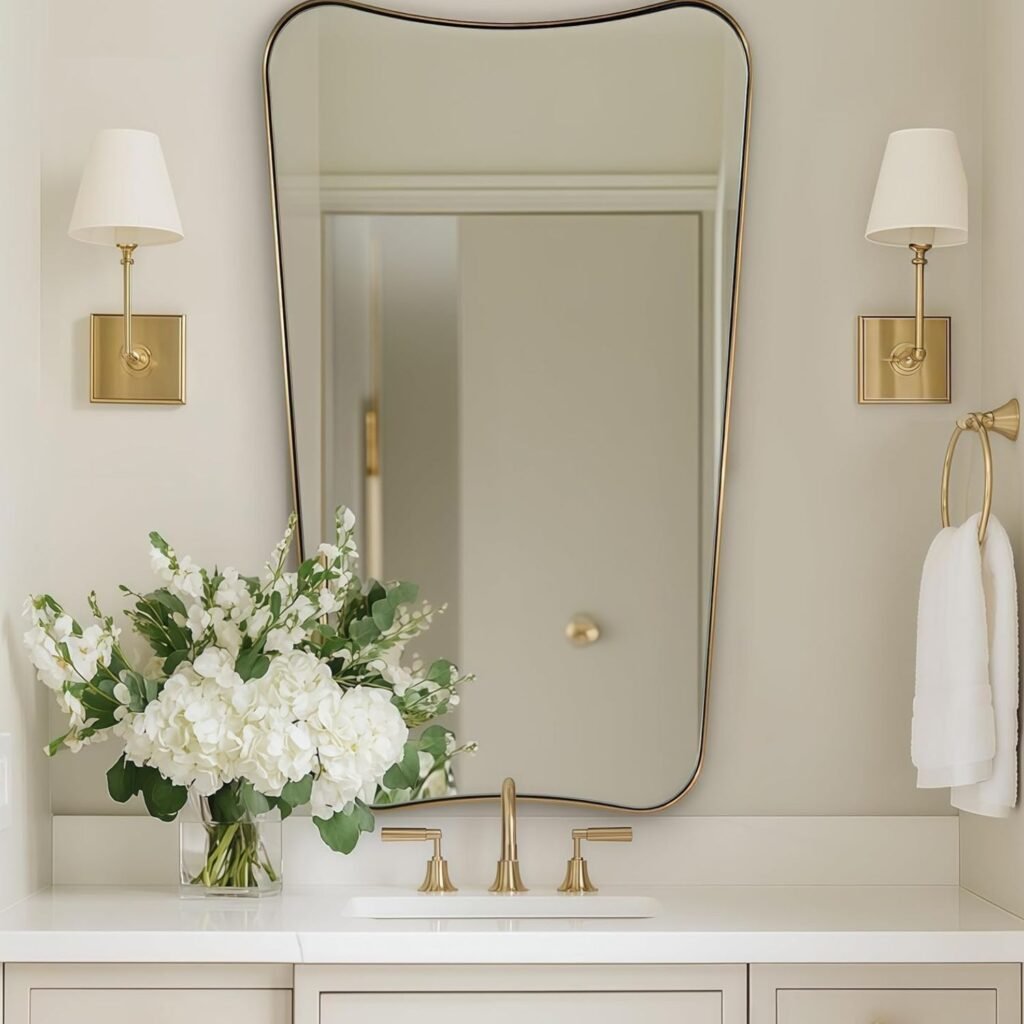
The scallop detail is period-informed in a way that a simple framed rectangle just isn’t.
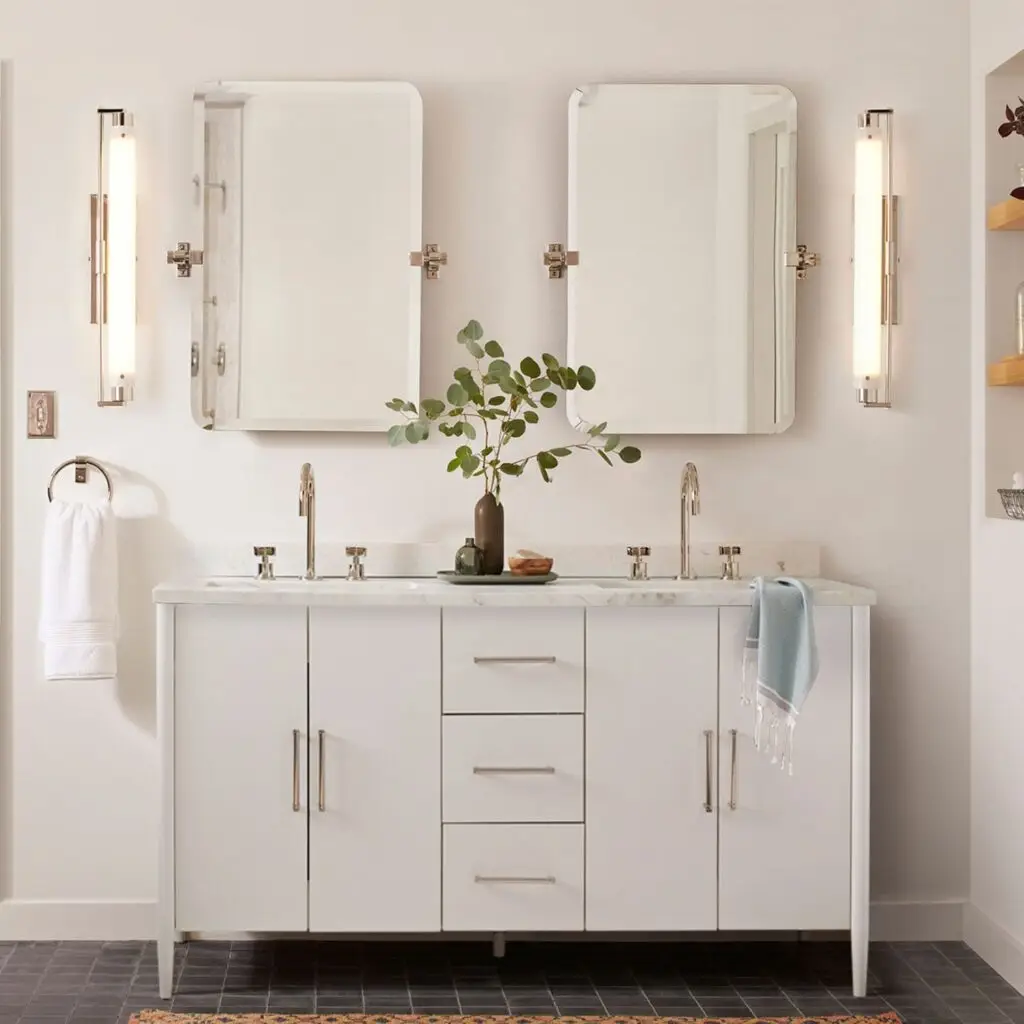
Frameless, but the pivot arms and rounded corners give it more period sensibility than a stationary frameless rectangle.
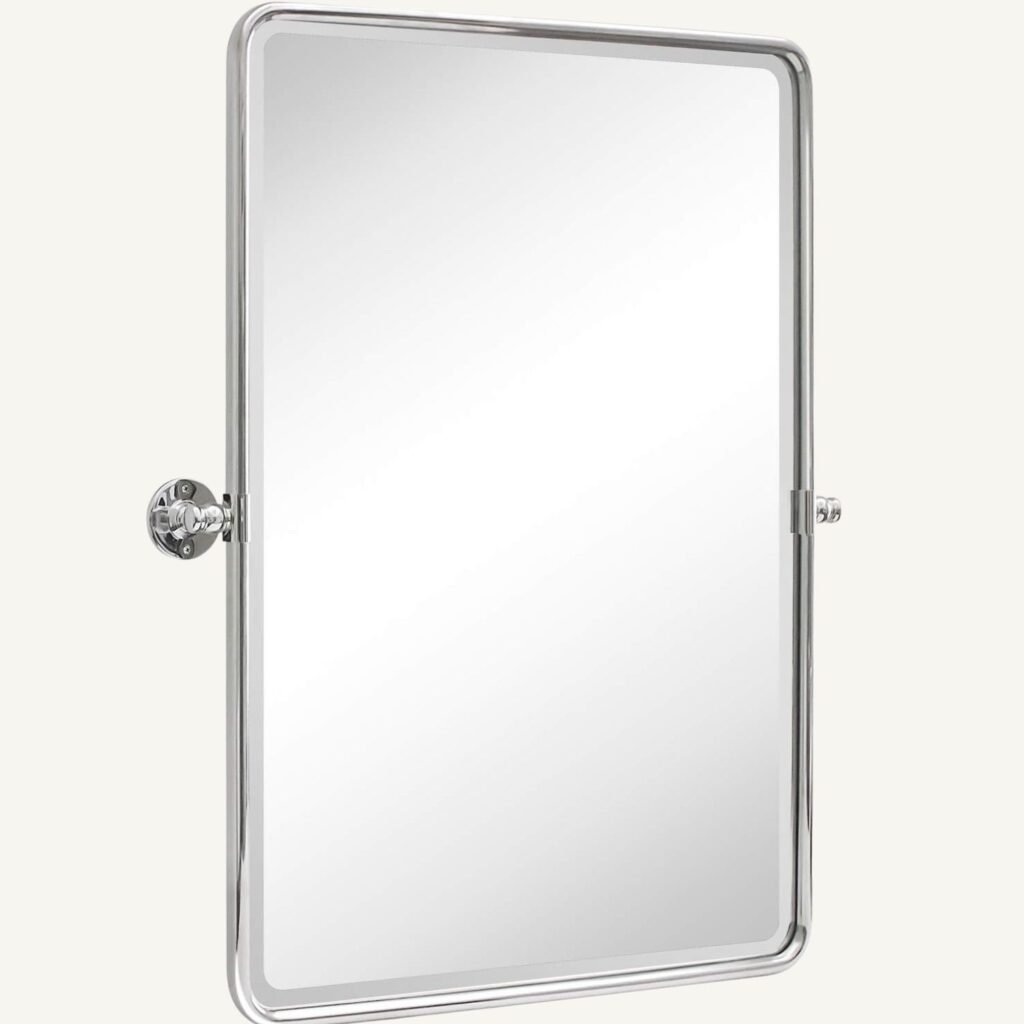
Tilt-able, rounded metal frame. Works best in a bathroom that’s clean and functional rather than maximalist.
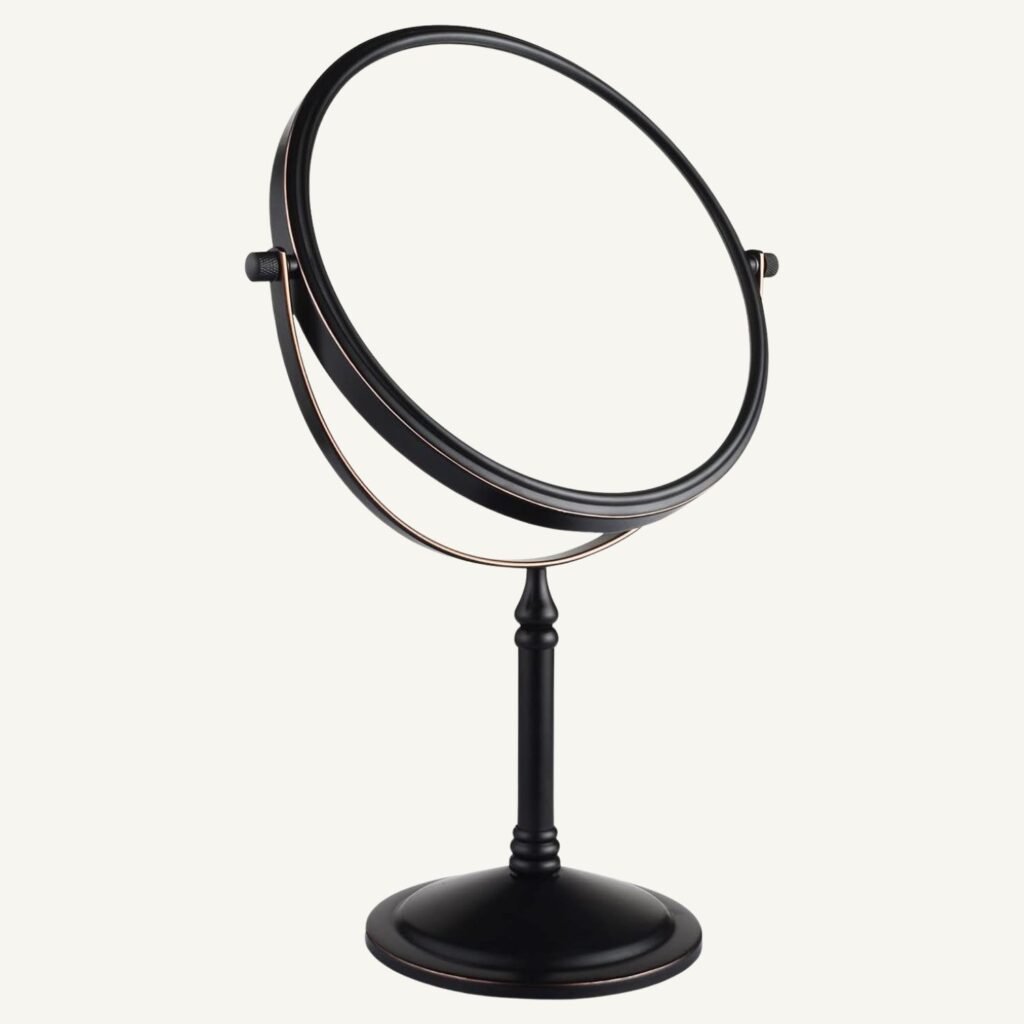
Functional without screaming “NEW!” Highly rated, looks right for vintage bathrooms.
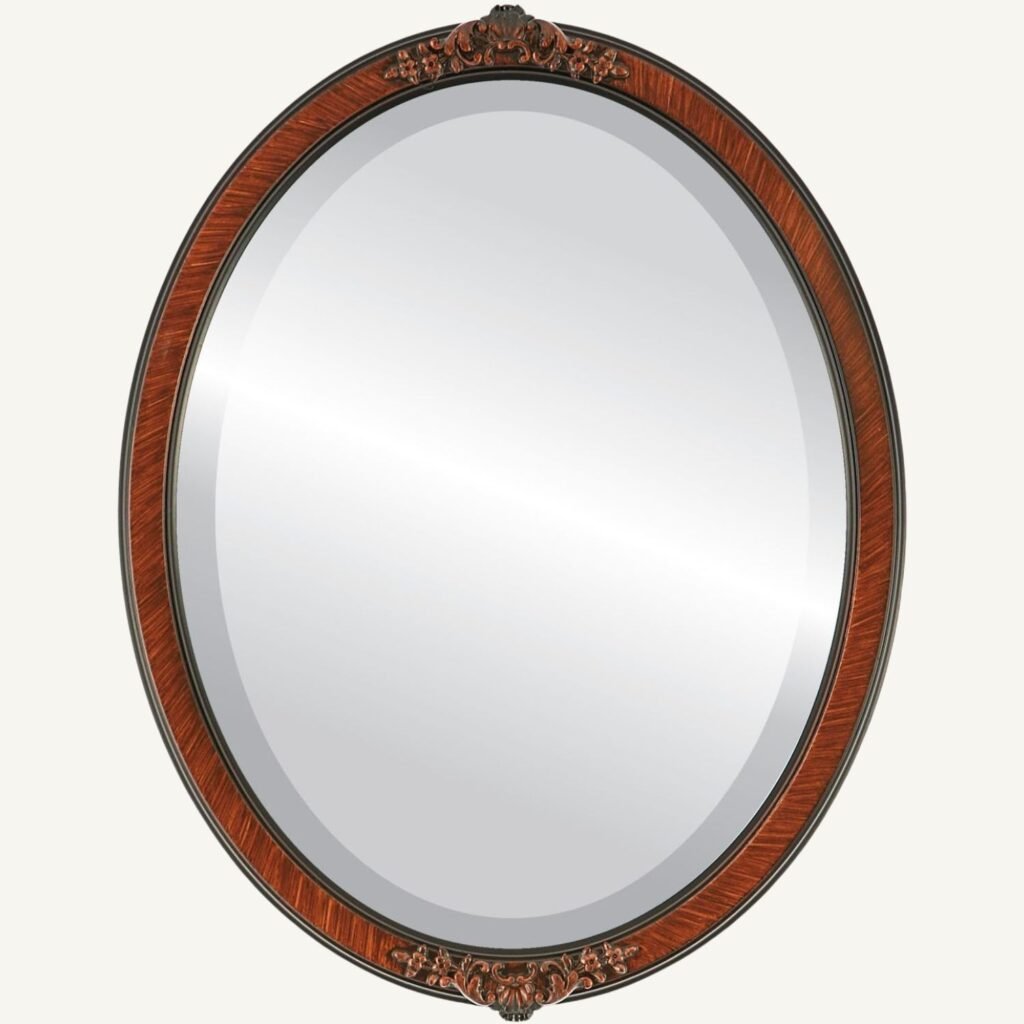
I see mirror like this in every antique store around here. Looks just right over a console or in a photo wall.
Old House Rules: Mirrors
- Convex mirrors add special views and are almost always right in a historic home.
- Buy the special, vintage mirror when you find it. Even if it’s been sitting in the shop for years, it will invariably sell three minutes after you leave to “think about it”.
- Never sell a good vintage mirror. You won’t replace it for the same price.
- Shop vintage first. Facebook Marketplace and estate sales – always – before Amazon.
- Don’t limit yourself by matching your mirror finish exactly to your fixtures. Variation reads as collected thoughtfully over time.
- Mixed “eras” make a home collected. I’m all for bringing in a mid century modern mirror into a traditional 1920s classic room if it “works” for your eye.
- Don’t settle for just a reflective surface. When new is the only option, there are a ton of design-forward-on-a-budget mirrors around.
- The mirrors that feel right in old houses are almost always the ones that have already lived in one.